Vagator Beach Guide: Cliffs, Chapora Fort & Where to Stay
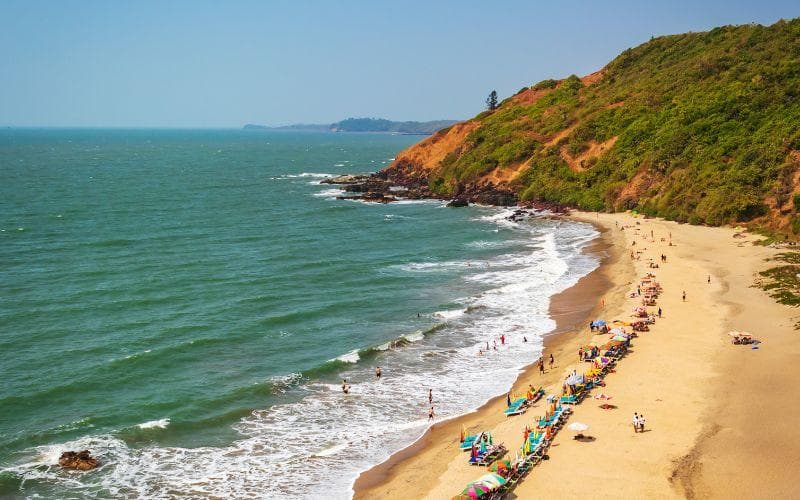
Vagator trades flat sand for red laterite cliffs, a working sunset ritual at Chapora Fort, and a small, boutique-leaning stay scene next door to Anjuna.
About the author
Rajesh Garela
8+ years curating verified stays across Goa
Quick Summary
- Vagator splits into Big Vagator (the main, road-accessible beach) and Little Vagator or Ozran (a smaller cove reached by a short climb down from the headland)
- Chapora Fort sits on the cliff above the beach and is the area's genuine, non-touristy sunset ritual
- Stays here lean toward clifftop cottages and boutique resorts rather than large hotel chains, with Anjuna's villa belt a short drive away
- It works best as a 2–4 day base for travellers who want cliffs, cafés and a slower pace, less well for anyone who wants to be walking distance from dense nightlife or a wide restaurant strip
What Vagator Actually Feels Like
Arrive at Vagator in the late morning and it can feel almost sleepy — a handful of shacks setting up, a few early swimmers, cows working their way along the access road. The character changes through the day, and it changes again depending on which part of the beach you're standing on. The main stretch, Big Vagator, has a proper access road, parking, and a run of beach shacks serving the standard Goan mix of seafood thalis and grilled catch. It's not empty, but compared to Calangute a few kilometres south it feels distinctly unhurried.
Little Vagator, on the other side of the headland, is a different register entirely. You reach it by a footpath that drops down past a scatter of cafés built into the cliffside, and the cove itself is small enough that even a moderately busy afternoon doesn't feel crowded. This is the part of Vagator that shows up in most photos of the area — palm-shaded cliff cafés, sea on three sides, and a swimming spot that's calmer than the open main beach. Locals and long-stay visitors sometimes just call it Ozran, which is technically the name of the cove rather than a separate beach, but you'll hear both names used interchangeably.
What ties the two coves together, and what genuinely sets Vagator apart from most of North Goa's coastline, is the cliff itself. The red laterite that gives the area its colour isn't just a backdrop — it shapes where the cafés sit, where the paths run, and where people naturally end up gathering in the evening. It's a beach you experience partly from above as much as from the sand, which is unusual for this stretch of coast.
Big Vagator vs Little Vagator (Ozran)
The practical difference matters more than it might sound. Big Vagator is where you'd go for an easy, no-fuss beach afternoon — shacks right on the sand, straightforward parking, and enough space that you're not stepping over other people's towels. Little Vagator asks a bit more of you: a short but genuine climb down (and later, back up) a dirt path, uneven footing in a few spots, and no vehicle access. In exchange you get calmer water for swimming, a more scenic setting, and cafés that use the cliff elevation for actual sea-view seating rather than the term being a stretch.
If you're travelling with small children, older relatives, or anyone who'd struggle with a short scramble on uneven ground, Big Vagator is the more sensible daily beach. If you're mobile and want the more memorable version of Vagator, budget the fifteen or twenty minutes it takes to walk down to Ozran at least once, ideally for a late-afternoon coffee that runs into sunset. Bring proper footwear rather than flip-flops — the path is manageable but not paved, and it's not the place to find out your sandals don't have any grip.
Chapora Fort and the Sunset Ritual
Chapora Fort sits on the headland above the beach, and unlike a lot of "must-see sunset spots" that get recommended mostly because they're near where people are already staying, this one earns the recommendation on its own terms. The fort itself is a ruin — laterite walls, no roofs, nothing restored or dressed up for visitors — and that's part of what makes it work. You're not touring an attraction so much as climbing to a high point and finding out other people had the same idea.
The walk up is short and doesn't require any special fitness, though the path is uneven in places and gets busier in the final half hour before sunset. Once you're up top, the view runs across the mouth of the Chapora River on one side and the curve of Vagator's cliffs and coves on the other — genuinely one of the better free things to do anywhere in North Goa, and it's telling that it draws a mixed crowd of first-time tourists, long-stay regulars, and local families rather than being purely a tourist stop. There's no entry fee and no fixed opening hours in the way a formal monument would have them; people generally climb up in the couple of hours before sunset and drift back down once the light's gone.
A practical note worth passing on: the fort has no real railings or barriers in most places, which is part of its unpolished charm but also means it's not the spot for letting young children wander unsupervised near the edges. Keep that in mind if you're bringing family along for the sunset.
The Cliff Cafés and Vagator's Food Scene
Vagator's food scene is smaller and more café-driven than Calangute's or Baga's shack-lined strips. Along the path down to Little Vagator, a handful of cliffside cafés serve the kind of menu you'd expect in a long-stay traveller area — good coffee, breakfast bowls, wood-fired pizza, and the sort of relaxed pace where a coffee genuinely can turn into an hour spent watching the water. Big Vagator's beach shacks are more classically Goan: fresh seafood, thalis, and cold beer, eaten with your feet close to the sand rather than a view from above.
What you won't find much of in Vagator itself is variety at scale — there isn't the sheer density of restaurants you'd get in Calangute. Most travellers who base themselves here either lean into the smaller, slower dining scene as part of the appeal, or treat Anjuna's wider café and restaurant options as an easy extension of their evening plans. Neither approach is wrong; it's really a question of whether you want your dining choices concentrated or scattered across two connected areas.
Vagator's Relationship to Anjuna
Vagator doesn't really function as an isolated destination — it sits right next to Anjuna, and most travellers end up treating the two as a single loose area rather than separate trips. Anjuna has the flatter coastline, the well-known Wednesday flea market, and a bigger concentration of cafés and long-stay expat culture. Vagator has the cliffs and the fort. A short ride covers the distance between them, which is part of why Vagator's own accommodation scene stays relatively small and boutique — a lot of Anjuna's villas and guesthouses are close enough to serve both beaches.
This matters for how you plan a stay. Basing yourself in or right around Vagator gives you first access to the cliffs and the fort, with Anjuna's cafés and market a short trip away. Basing yourself in Anjuna instead puts you closer to that market and café scene, with Vagator's beach and sunset an equally short trip in the other direction. Neither is a wrong choice; it mostly comes down to which experience you want to be able to walk to versus which you're happy to ride to.
Beyond the Beach: Chapora Village
Below the fort, on the river side of the headland, sits Chapora village — a small, working fishing settlement rather than a tourist strip. Fishing boats line the jetty, and the pace here is noticeably different from the beach a short walk away: fewer visitors, more everyday local life. It is not set up as an attraction in its own right, but it is worth a slow walk through if you are already at the fort, if only to see the working side of a coastline that can otherwise feel entirely built around holidaymakers.
Getting Around
Vagator doesn't have the kind of dense, walkable strip you get in Calangute or Baga, so a scooter or a car with a driver makes a real difference here rather than being a nice-to-have. The road into Big Vagator is straightforward, with parking near the beach entrance, though it fills up on weekends and during the winter season. Little Vagator has no direct vehicle access — you park near the headland and walk in. Chapora Fort is reachable on foot from the beach, or by a short drive if you're coming from further out.
If you're staying in Vagator itself, a lot of what you'd want — the beach, the fort, a handful of cafés — is realistically walkable, weather and fitness permitting. Once you start factoring in Anjuna's market, restaurants further afield, or day trips to Calangute or Baga, having your own transport, or a reliable driver on call, stops being optional. Most stays in the area can help arrange a scooter or a car, and it's worth sorting this out on your first day rather than a few days into the trip.
Who Vagator Suits
Vagator works well for travellers who want a scenic, photogenic base without needing to be in the middle of North Goa's busiest strip. Couples looking for a quieter, more design-conscious stay tend to like it. So do travellers who plan to spend a few days moving between Vagator, Anjuna, and Chapora rather than parking themselves on one beach for a week. If cliffside cafés, a proper sunset spot, and boutique-style stays matter more to you than nightlife density or a huge choice of restaurants right outside your door, Vagator is a genuinely good fit.
It also suits travellers who want to combine a beach stay with a bit of walking and exploring rather than a purely horizontal holiday — the climb to the fort and the walk down to Ozran both reward a bit of effort, and that active, exploratory character is part of what people who choose Vagator tend to be looking for. Solo travellers and small groups of friends tend to do well here too — the cliff cafés and the fort climb both work naturally as social, unhurried activities, and the area is compact enough that you are not spending half your day on transport between sights.
Who Might Prefer a Different Base
It's a smaller, more specific place than some of the bigger North Goa hubs, and that's worth being honest about. If you want the widest possible range of restaurants, shops and nightlife within walking distance, Calangute or Baga will serve you better. If you're travelling with a large group that wants one big, self-contained property with a pool and space for everyone, Vagator's smaller boutique resorts and cottages may feel tighter than what a bigger villa in Anjuna or Candolim could offer, although a couple of larger resort-style options do exist here too. And if getting down to Little Vagator's cove sounds like more scrambling than you want on a beach holiday, Big Vagator is fine, but it's a fair reason to consider a flatter beach elsewhere instead.
Where to Stay in Vagator
Vagator's accommodation is genuinely different in character from the bigger resort belts further south — smaller properties, more clifftop or garden settings, fewer big hotel-chain blocks. A useful way to think about it: whether you want a resort-style stay with a shared pool and restaurant, a cottage-style stay with more independence, a private villa, or a larger group-oriented resort.
For a clifftop, resort-style base right in Vagator, Costa Vermelha Resort sits above the area's red cliffs, about 400 metres from the beach — a good match if the cliff-and-sunset character of Vagator is exactly what drew you here in the first place. Cliffside Canopy Cottages, roughly 500 metres from the beach, is a step toward the more relaxed cottage end of the spectrum, with pool-view rooms that suit travellers who want their own space without a full villa's footprint or price.
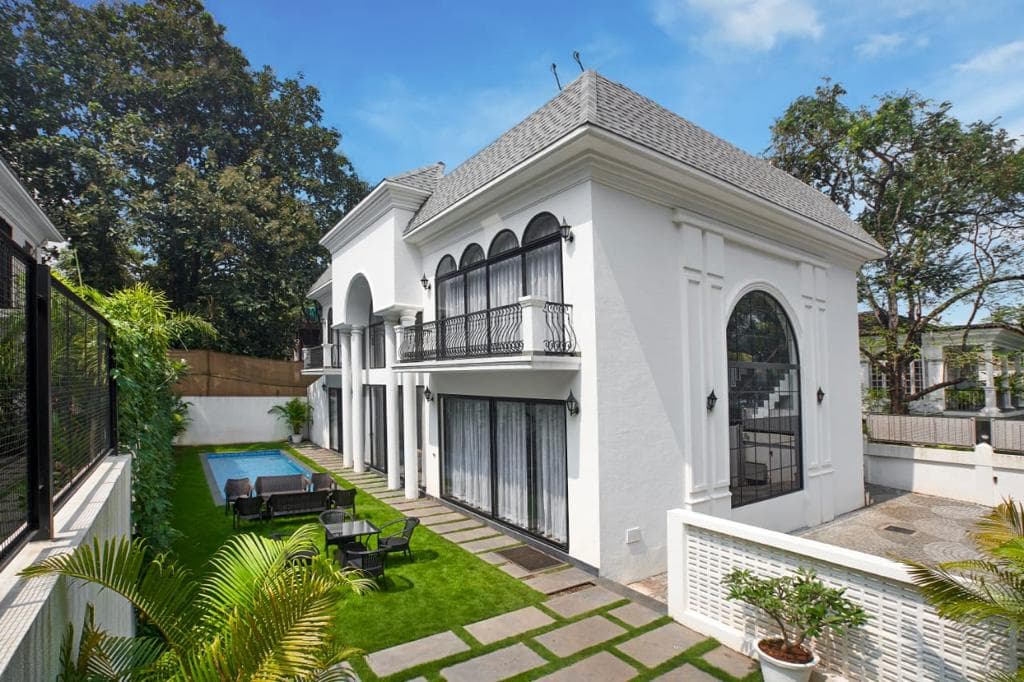
If you'd rather have a private villa with a pool and more room to spread out — useful for a couple wanting real privacy, or a small family — Azure Palm Luxury Villa sits between Anjuna and Vagator, about 1.2 km from Vagator beach, with five bedrooms and a large private pool. It's a reasonable middle-ground pick if you want easy access to both Vagator's cliffs and Anjuna's café scene without committing fully to either area.
For a larger group or a long-weekend crowd, Deep Blue Sea Resort, about 900 metres from the beach, is built with more scale in mind, with enough rooms to comfortably host a bigger group under one roof rather than splitting across several bookings. It's a more energetic, less boutique option than Costa Vermelha or Cliffside Canopy, which suits a group prioritising space and a lively atmosphere over quiet clifftop views.
A Sample Day in Vagator
A loose but workable rhythm: mornings at Big Vagator, where the beach is calmer and the shacks are just getting going — good for a swim and breakfast without a crowd. Midday, head over to Anjuna if you want café culture, shopping, or the flea market on a Wednesday. Come back toward late afternoon, walk down to Little Vagator for a coffee with a sea view, and time your climb up to Chapora Fort for the hour or so before sunset. Dinner back near your stay, or at one of the shacks on Big Vagator if you want your feet in the sand for it.
If you have more than one day, it's worth resisting the urge to repeat the same loop every day. Spend one day slower — reading at a cliff café, swimming at Ozran, no fort climb, no market trip — and use another day for the fuller Anjuna-and-Chapora circuit. Vagator rewards a bit of unstructured time as much as it rewards ticking off the main sights.
Seasonal Considerations
Like most of North Goa, Vagator is busiest and most set up for tourism from November through January, when the weather is driest and coolest — this is also when the fort and the cliff cafés see the most visitors, especially right around sunset. The shoulder months on either side of that window are quieter and often more comfortable for the fort climb, since you're not doing it in peak heat or peak crowds. Monsoon season, roughly June to September, changes the character significantly — some shacks close, the cliffs and greenery look genuinely dramatic in the rain, and it suits travellers more interested in a quiet, moody version of Goa than a classic beach holiday. If swimming and full shack availability matter most to your plans, aim for the winter window; if you want the cliffs at their greenest with far fewer people around, the monsoon months are worth considering.
Common Mistakes to Avoid
The most common one is treating Vagator like a flat beach and being surprised by the climb down to Little Vagator — wear shoes you can actually walk in, not flip-flops you're worried about losing on the path. The second is timing the fort climb for exactly sunset rather than arriving earlier; the path and the fort itself get genuinely crowded in the final ten minutes before the sun goes down, and arriving half an hour early gets you a much better spot and a calmer walk up. The third is assuming Vagator has the same restaurant density as Calangute — it doesn't, and if you're staying here for several days it's worth planning at least a couple of meals in Anjuna rather than expecting a wide choice right outside your door every night. A fourth, smaller mistake: booking a stay described loosely as "near Vagator beach" without checking whether that means Big Vagator or Little Vagator — the walking experience to each is genuinely different.
What to Check Before Booking
Confirm how far your stay actually is from Big Vagator versus Little Vagator — the two coves are close on a map but the walking experience between them is different, and listings aren't always precise about which one they mean by "Vagator beach." If you're relying on walking rather than a scooter, ask specifically about the terrain between your stay and the beach, since parts of the area are on a slope. And if nightlife or a wide restaurant choice matters to your trip, check what's realistically walkable versus what needs a ride, rather than assuming Vagator will match a bigger hub like Calangute or Baga on that front. Finally, if you're a larger group, confirm bedroom count and shared-space layout carefully — Vagator's smaller boutique properties can be a tighter fit for big groups than a purpose-built large villa or resort elsewhere. It also helps to ask directly whether airport transfers or scooter rentals can be arranged through the property, since Vagator itself has fewer rental counters and travel desks than the bigger tourist hubs further south.
Frequently Asked Questions
What's the difference between Vagator and Anjuna beaches?
They're adjacent and share a similar laid-back character, but Vagator has more dramatic red cliffs and coves, while Anjuna is flatter, with rockier tide pools and its well-known Wednesday flea market. Many travellers treat the two as a single loose area rather than picking strictly one or the other.
Is Chapora Fort worth visiting?
Yes. It's a short, uncomplicated climb with one of North Goa's better sunset views, no entry fee, and a mixed crowd of visitors and regulars rather than a purely touristy stop. Arriving thirty to sixty minutes before sunset avoids the busiest window right at golden hour.
Is Vagator good for swimming?
Little Vagator (Ozran) is generally calmer for swimming than the rockier, more open main beach, though conditions vary by season and by day — it's worth checking with locals or your stay before going in, especially outside the main winter season.
How many days should I spend in Vagator?
Two to four days works well if Vagator is a dedicated stop rather than your full trip — enough time to properly explore both coves, do the fort climb, and cross over into Anjuna without feeling rushed. If you're combining it with other North Goa beaches, even a single overnight stay is enough to catch a Chapora Fort sunset and a morning at Little Vagator.
Is Vagator suitable for a large group?
It can work — Deep Blue Sea Resort in particular is built with larger groups in mind — but Vagator's stays generally lean smaller and more boutique than the large resort-style properties you'll find in bigger hubs like Calangute or Candolim. A large group wanting maximum choice may find more options a short drive away in Anjuna.
Do I need a scooter to enjoy Vagator, or can I get by on foot?
If your stay is close to Big Vagator, you can manage the core experience — beach, fort, a few cafés — on foot. But to comfortably reach Anjuna's market and wider restaurant scene, or to explore beyond the immediate area, a scooter or arranged driver makes the trip considerably easier.
Stays Featured in This Guide
 Resort
Costa Vermelha Resort
North Goa, Vagator
₹8,500/night | ₹17,000/night (Nov–Jan ★)
 Resort
Cliffside Canopy Cottages
North Goa, Vagator
₹4,500/night | ₹9,000/night (Nov–Jan ★)
 Villa
VillaAzure Palm Luxury Villa
North Goa, Anjuna-Vagator
₹32,000/night | ₹64,000/night (Nov–Jan ★)
 Resort
Deep Blue Sea Resort
North Goa, Vagator
₹3,400/night | ₹6,800/night (Nov–Jan ★)
Related Guides
Related Articles
 Beach Guides
Arambol Beach Guide: Goa's Slower, Bohemian North
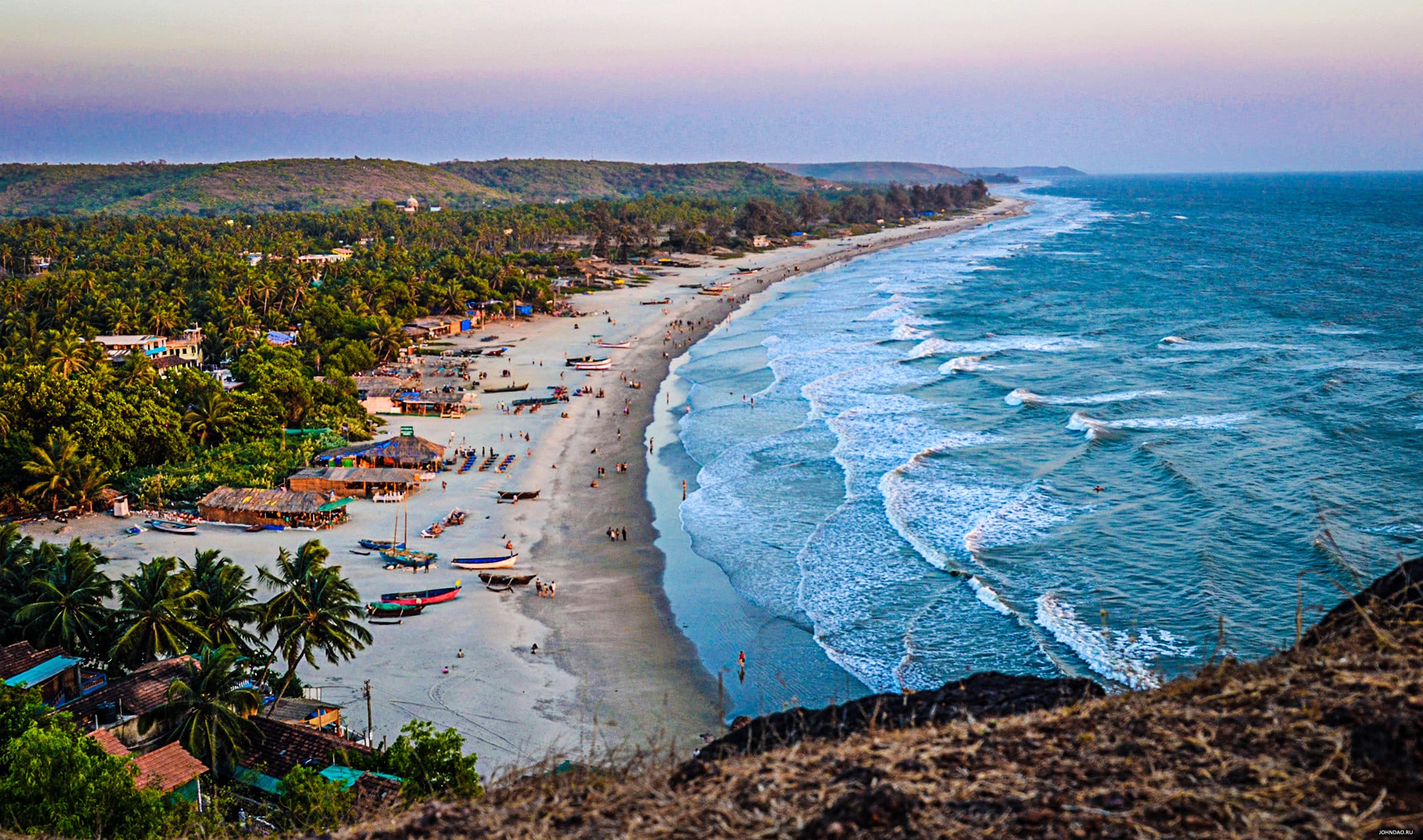
Arambol sits at the far edge of Goa's beach belt and has kept a slower, more independent character — a cliff-path lake, an evening drum circle, and a genuinely different pace than the beaches closer to the airport.
 Beach Guides
Morjim Beach Guide: Turtle Nesting, Quiet Mornings & Where to Stay
Morjim trades nightlife for turtle nesting and unhurried mornings — a practical guide to what the beach is actually like, who it suits, and where to stay nearby.
Ready to Book Your Goa Escape?
Tell us your dates and we'll find the perfect villa, resort or cottage for you — usually within the hour.