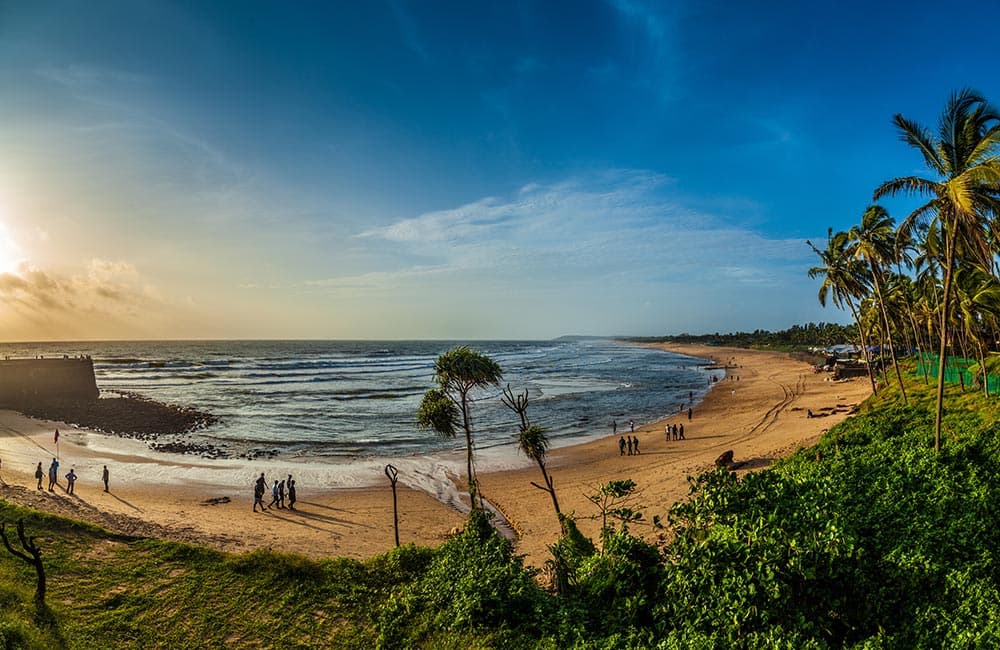
10 Best Beaches in North Goa You Must Visit
From Calangute's crowded energy to Querim's ferry-crossing quiet, here's an honest, area-by-area breakdown of North Goa's ten best beaches — what each one is actually like, who it suits, and where to stay near it.
About the author
Rajesh Garela
8+ years curating verified stays across Goa
Quick Summary
- Calangute & Baga — the busiest stretch, best for first-timers and groups who want shacks, water sports and nightlife within walking distance
- Candolim — Calangute's convenience with noticeably less chaos, a good middle-ground base near Fort Aguada
- Anjuna & Vagator — cliffside cafés, flea market energy, red-laterite coastline and Chapora Fort
- Morjim, Ashwem & Mandrem — quieter, slower, turtle-nesting season in winter, a strong Russian and long-stay European presence
- Arambol & Querim — backpacker pace at Arambol, near-total quiet at Querim, right at the Goa–Maharashtra border
Calangute Beach
Calangute is the beach most people picture when they think of Goa, and it earns that reputation honestly — it's the widest, most developed stretch in North Goa, lined with shacks, parasailing counters, banana-boat operators and, in peak season, a parking situation that can eat twenty minutes before you've even seen the water. It's also the most commercially built-up beach on this list, with a dense run of shops, restaurants and stays set back from the sand, which is exactly why a lot of first-time visitors gravitate here without quite meaning to.
Go early morning or after 6pm if you want to actually walk the sand without dodging jet-ski touts and day-trippers. Midday in December and January is peak crowd, peak heat, and peak hustle — fine if that's the atmosphere you're after, tiring if it isn't. Calangute works better as a base than as a destination in itself, since Baga, Candolim and Anjuna are all a short scooter ride away and you'll likely want to spend most of your actual beach time in one of those instead, using Calangute mainly for its restaurants, shopping and sheer convenience.
Baga Beach
Baga blends into Calangute's northern end during the day, and the difference really only shows up after dark. This is where Tito's Lane sits, along with most of the clubs North Goa is known for. Daytime Baga is calmer than its nightlife reputation suggests — the beach itself is a reasonably pleasant, workable stretch of sand; it's the strip behind it that gets loud, especially from Thursday through Saturday nights in peak season.
If you're travelling with a group that wants nightlife within stumbling distance of the stay, Baga is the obvious pick — you'll pay for it in noise if your room faces the main road, so ask specifically about a quieter-facing room if you're a light sleeper. If you'd rather sleep through the bass, stay a beach or two further along and taxi in when you actually want the party; it's a short enough ride from Candolim or even Calangute that you're not sacrificing much.
Candolim Beach
Candolim runs for close to three kilometres and rarely feels as packed as Calangute, even though the two are next-door neighbours. It draws a slightly older, more settled crowd, generally has better beach shacks, and sits far enough from the main party strip that you can hear the waves over the music. It's also one of the more walkable beaches on this list, without Calangute's density of touts working the sand.
Fort Aguada and the smaller Sinquerim beach sit at Candolim's southern end — the fort is worth the short walk up for the lighthouse and the views over the Arabian Sea and the Mandovi river mouth, and Sinquerim itself is a quieter, rockier stretch that's easy to combine with a Candolim beach day. Candolim is a solid middle-ground base: near enough to Baga's nightlife to go when you want it, calm enough that you're not living inside it, and central enough that Calangute, Anjuna and even a Panjim day trip are all realistic without excessive travel time.
Anjuna Beach
Anjuna's rocky headland and long-running Wednesday flea market give it a different rhythm from the flatter stretches to the south. It draws a younger, more alternative crowd, and the cliffside cafés along its northern edge — Curlies among them — have some of the more reliable sunset views on this coast. The beach itself is split by rocky outcrops into smaller coves rather than being one continuous stretch, which makes it feel more varied, if a little less swim-friendly in places than the flatter beaches further south.
The Wednesday market itself has been running in some form since the hippie era of the 1960s–70s and is still worth a visit if your trip lines up with it, though stalls and vendors shift year to year, so treat it as a market day worth planning around rather than a fixed attraction with guaranteed offerings. Anjuna suits travellers who want a beach day with some cultural texture attached to it, rather than just sand and a shack.
Vagator Beach
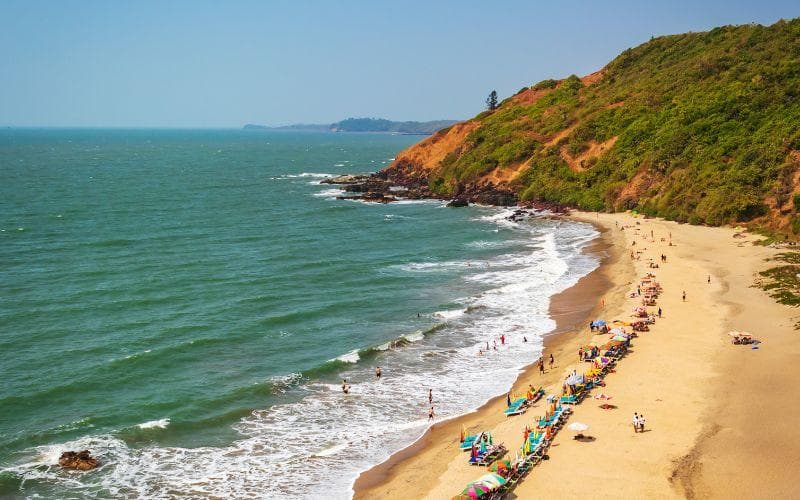
Vagator sits just north of Anjuna and swaps flat sand for red laterite cliffs and a genuinely dramatic coastline — it's smaller and rockier than Calangute, which naturally keeps the crowds thinner. It's really two beaches in one: Big Vagator, the main stretch, and Little Vagator (often called Ozran) tucked below the headland, reached by a short path down from the cliff. Little Vagator in particular has a laid-back, slightly bohemian feel that's held on despite the broader development along this coast.
Chapora Fort overlooks the beach from a headland just north of it; the fort itself is mostly ruins today, but the climb up is short and the panoramic view back over Vagator and out to the Chapora river mouth is one of the better payoffs for minimal effort on this stretch of coast. It's also a recognisable filming location from Indian cinema, which some visitors enjoy spotting and others couldn't care less about. Go for sunset if you can time it — the light over the river mouth from up there is worth the short detour.
Morjim Beach
Morjim has quietened down considerably from its noisier years, and today it's known as much for olive ridley turtle nesting as for its beach shacks. Nesting season on this stretch of coast generally runs from around November through March or April, with forest department volunteers monitoring protected sections of the sand — if you're visiting in that window, it's worth checking locally whether any nesting areas are active and giving them a wide, quiet berth rather than treating it as a photo opportunity. Loud music and bright lights near nesting zones genuinely disrupt the turtles, so this isn't just a courtesy suggestion.
Morjim also has a long-established Russian-speaking community, with signage and menus in Russian nearly as common as English in places — it's a useful thing to know going in, mostly so the shift in language and food options doesn't catch you off guard. It's a calmer, more spread-out beach than anything further south, and works well if you want proximity to Anjuna and Vagator without their crowds, or if you're specifically drawn by the turtle-watching angle.
Ashwem Beach
Ashwem sits just north of Morjim and shares its unhurried feel, with a slightly more upscale run of beach clubs and boutique stays along the sand. It's one of the quieter options if you want a genuine beach-and-book kind of stay rather than a beach-and-bar one, and it's close enough to Morjim and Mandrem that you're not cut off from either. Like Morjim, sections of Ashwem see olive ridley nesting activity in winter, so the same seasonal courtesy applies.
The sand here is wide and largely uncluttered compared to Calangute or Baga, and the pace at the beach clubs tends toward long lunches and slow afternoons rather than loud daytime parties. It's a good pick for a honeymoon or a couples trip where the point is genuinely to relax rather than to be near a nightlife circuit.
Mandrem Beach
Mandrem is quieter again, with a small tidal creek that cuts across part of the beach and a noticeably strong yoga and wellness scene — several long-running retreat centres are based here, and the pace of the place reflects that. It suits travellers who want long, uninterrupted stretches of sand and don't need much nightlife within reach. The creek crossing is a small but genuinely pretty feature that most of the busier beaches further south don't have.
It's a genuine step down in energy from Anjuna and Vagator, and an equally genuine step up in quiet from Arambol a little further north. If your idea of a good beach day involves a yoga class in the morning and a slow walk at sunset rather than a beach club playlist, Mandrem is worth the extra distance from the more central beaches.
Arambol Beach
Arambol is the furthest north most first-time visitors go, and it keeps its backpacker character more than anywhere else on this list. The cliff path connecting the main beach to the smaller Sweet Water Lake behind it is a good sunset walk, and the drum circle that gathers most evenings in season is a long-standing local tradition rather than something staged for tourists.
It has more of a long-stay, budget-traveller feel than the resort-heavy beaches further south, which is either exactly what you're looking for or not what you're looking for at all. Accommodation here tends to skew toward guesthouses and smaller stays rather than large resorts, and the vibe is deliberately unpolished compared to Calangute or Candolim — that's the appeal for the crowd it draws, and the reason others give it a pass.
Querim (Keri) Beach
Querim, also spelled Keri, is the northernmost beach in Goa, close to the Maharashtra border and reached by a short car ferry across the Tiracol river — the crossing itself is part of the experience and keeps day-trip numbers naturally low, since it's just enough of a logistical step that casual visitors tend to skip it. Tiracol Fort sits on the opposite bank, a small 17th-century Portuguese fort with a chapel inside its walls, worth a look if you've made the crossing anyway.
Querim is about as quiet as North Goa gets: long, largely empty sand, very little in the way of shacks or infrastructure, and a real sense of having left the tourist circuit behind, even though it's still technically North Goa. It's less a base to stay at than a day trip worth building into an Arambol or Mandrem stay, given how far it sits from everything else on this list.
Best Time to Visit
Peak season runs roughly December through February, when the weather is at its most reliable — warm days, cool evenings, minimal rain — and every beach on this list is at its busiest and most expensive. Late December into the first week of January is the single busiest stretch of the year across all ten beaches, driven by New Year's crowds, and prices for stays climb accordingly.
The shoulder months, October–November and March–April, are worth serious consideration if you'd rather trade a slightly higher chance of a stray shower for noticeably thinner crowds and better rates. Heat starts climbing through April and into May, which is also when the pre-monsoon humidity builds. Monsoon itself, roughly June through September, is a genuinely different Goa — green, quiet, and largely closed for beach-shack business — better suited to travellers drawn to the Western Ghats and waterfalls further inland than to a classic beach holiday.
Getting Between These Beaches
A rented scooter is genuinely the most practical way to move along this stretch — nearly every beach on this list is within twenty to forty minutes of its neighbours, and taxi costs add up fast if you're beach-hopping daily. Traffic on the main coastal roads gets noticeably heavier through Calangute and Baga during peak season evenings, so build in extra time if you're trying to reach a sunset spot further along the coast.
If you're flying in, Manohar International Airport at Mopa (opened in 2023) is now the closer and generally better-connected airport for North Goa, noticeably more so than the older Dabolim airport down in South Goa, which still exists but mainly serves the southern beaches now. Some airlines and routes still use Dabolim, so it's worth checking which airport your specific flight actually lands at rather than assuming.
Keep the monsoon in mind too: from roughly June to September, many shacks along this coast close or scale back, the sea gets genuinely rough and unsafe for swimming in several spots, and the pace of the whole region slows down — beautiful if you want green hills and empty beaches, less so if shacks and water sports are the point of your trip. The shoulder months either side of monsoon (May and October) can be a reasonable middle ground if you want fewer crowds without losing beach infrastructure entirely.
Mistakes First-Timers Make
The most common one is picking a stay in Calangute or Baga purely because they're the names everyone's heard of, then discovering the noise or crowd density isn't what they actually wanted. It's worth being honest with yourself about whether you want to be in the middle of things or a short ride from them — both are valid, but they're different trips.
The second is underestimating monsoon-season closures if travelling between June and September, and the third is skipping sun protection because the sea breeze makes the heat feel less intense than it is — North Goa's midday sun is strong enough that even an overcast-feeling afternoon can leave you burnt by evening.
Which Beach Should You Base Yourself Near
If it's your first trip and you want everything within easy reach, Calangute or Candolim make the most practical base — shacks, transport and stays are all dense enough that you're never far from what you need. Couples chasing a quieter pace tend to prefer Vagator, Morjim or Ashwem. Groups wanting nightlife within walking distance usually pick Baga.
If you've already done North Goa once and want something genuinely different, Mandrem or Arambol are worth the extra distance, and Querim is there if you want a day trip that feels like leaving the state entirely. None of this is fixed — a scooter gets you between any two of these beaches in well under an hour, so the choice of base matters less than it might seem, and it's entirely reasonable to stay in one area and simply drive to another for the day.
Frequently Asked Questions
Which North Goa beach is best for families?
Calangute and Candolim work well for families since both have calmer patches, shallow entry points in places, and stays built around that crowd. Morjim's gentler shore is also a solid option if you're travelling with younger kids and want fewer crowds without going too far off the beaten path.
Is Baga Beach safe for swimming?
Baga has a lifeguard presence during the main season, but currents can pick up, especially around the monsoon months and its shoulder seasons. Stick to flagged safe zones, avoid swimming after dark, and skip it entirely in rough weather regardless of how calm the surface looks.
Which airport should I fly into for these beaches?
Manohar International Airport at Mopa (airport code GOX) is the closer option for everything on this list, from Calangute up to Querim. Dabolim, Goa's older airport, still operates but sits down in South Goa and involves a longer transfer up to any of these beaches — check your specific flight rather than assuming, since a handful of airlines still route through Dabolim.
When is turtle nesting season at Morjim and Ashwem?
Roughly November through March, sometimes stretching into April, with local variation year to year. If you're on the beach during this window, keep a respectful distance from any marked or monitored nesting areas rather than approaching for photos, and avoid loud music or bright lights near those sections after dark.
How do I get between these beaches without a car?
A rented scooter is the standard option for independent travel along this coast and covers the whole stretch from Calangute to Arambol comfortably within a day. Taxis and app-based cabs work too, but costs climb quickly if you're moving between beaches more than once or twice a day, and availability can thin out late at night in the quieter northern beaches.
Is North Goa or South Goa better for a first trip?
North Goa generally makes more sense for a first visit — the density of beaches, stays, restaurants and things to do within short distances of each other makes it easier to fill days without excessive planning. South Goa rewards a second trip once you know you want the slower, quieter version of Goa.
Do I need to book beach shacks or activities in advance?
Most shacks don't take advance bookings for regular seating — it's a walk-in culture, though a few of the more popular sunset-facing ones in Anjuna and Vagator can fill their best tables quickly on weekend evenings in peak season. Water sports operators (parasailing, jet-skiing, banana boats) are similarly walk-up, concentrated mainly around Calangute, Baga and Candolim.
Whichever beach you settle near, staying within easy reach of two or three others on this list makes the trip far less rigid — you can chase the mood of the day rather than committing to one stretch of sand for the whole stay.
Stays Featured in This Guide
 Resort
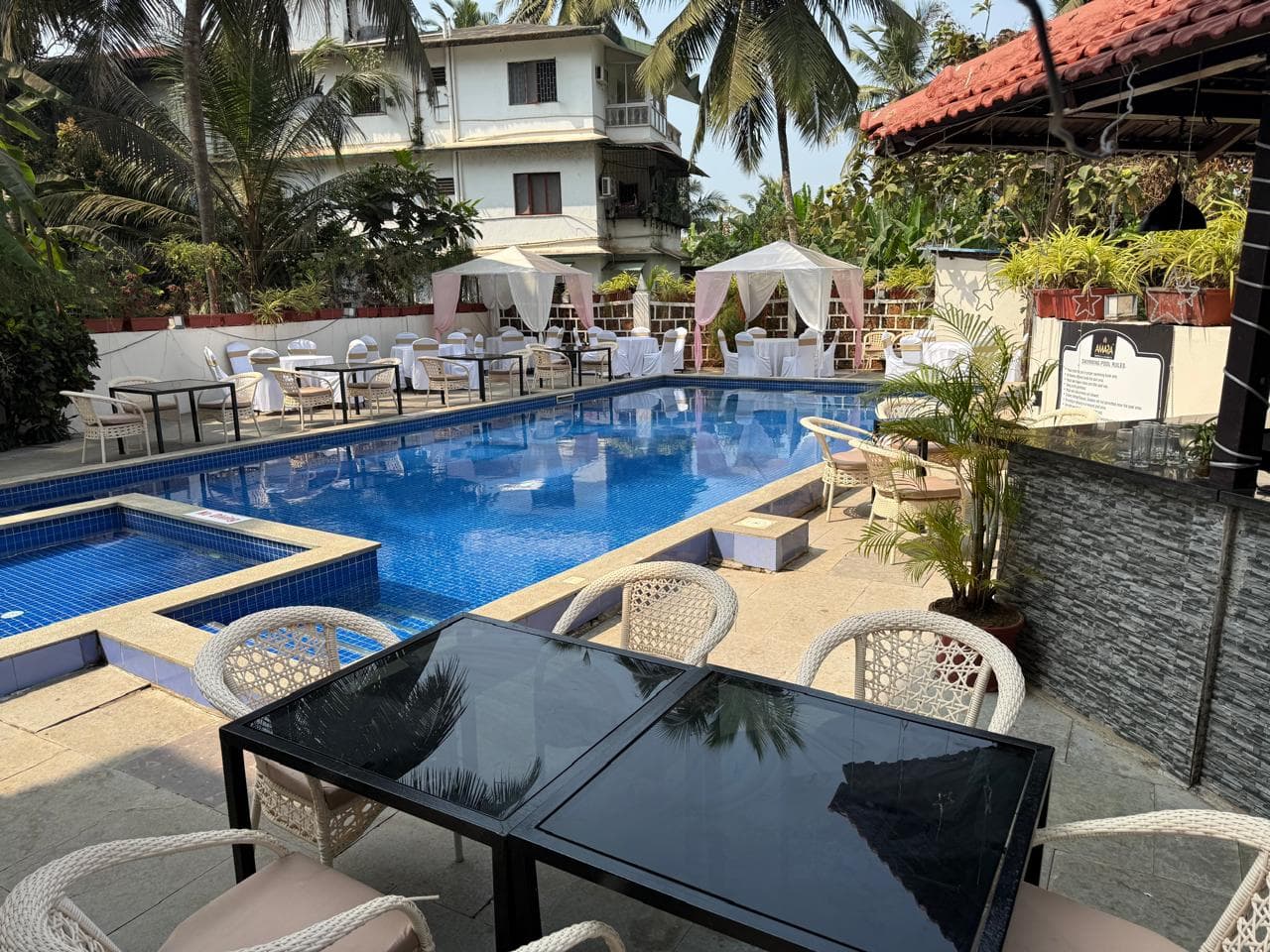
Cliffshade Beach Resort
North Goa, Calangute
₹2,900/night | ₹5,800/night (Nov–Jan ★)
 Resort
Azure Tide Resort
North Goa, Baga
₹4,200/night | ₹8,400/night (Nov–Jan ★)
 Villa
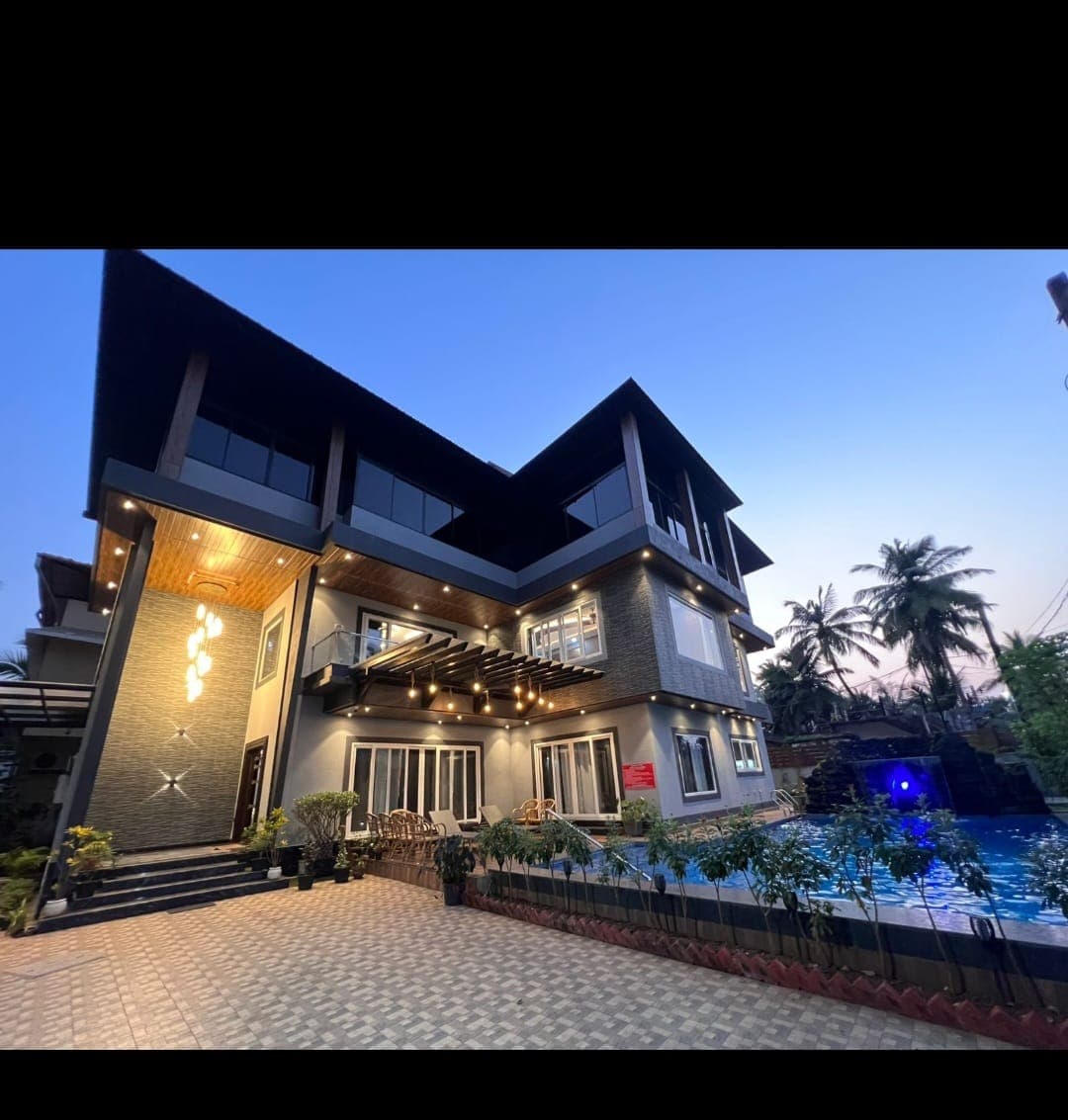
VillaCasa Luma Villa
North Goa, Candolim
₹22,000/night | ₹45,000/night (Nov–Jan ★)
 Resort
Costa Dourada Resort
North Goa, Morjim
₹5,500/night | ₹11,000/night (Nov–Jan ★)
Related Guides
Related Articles
 Beach Guides
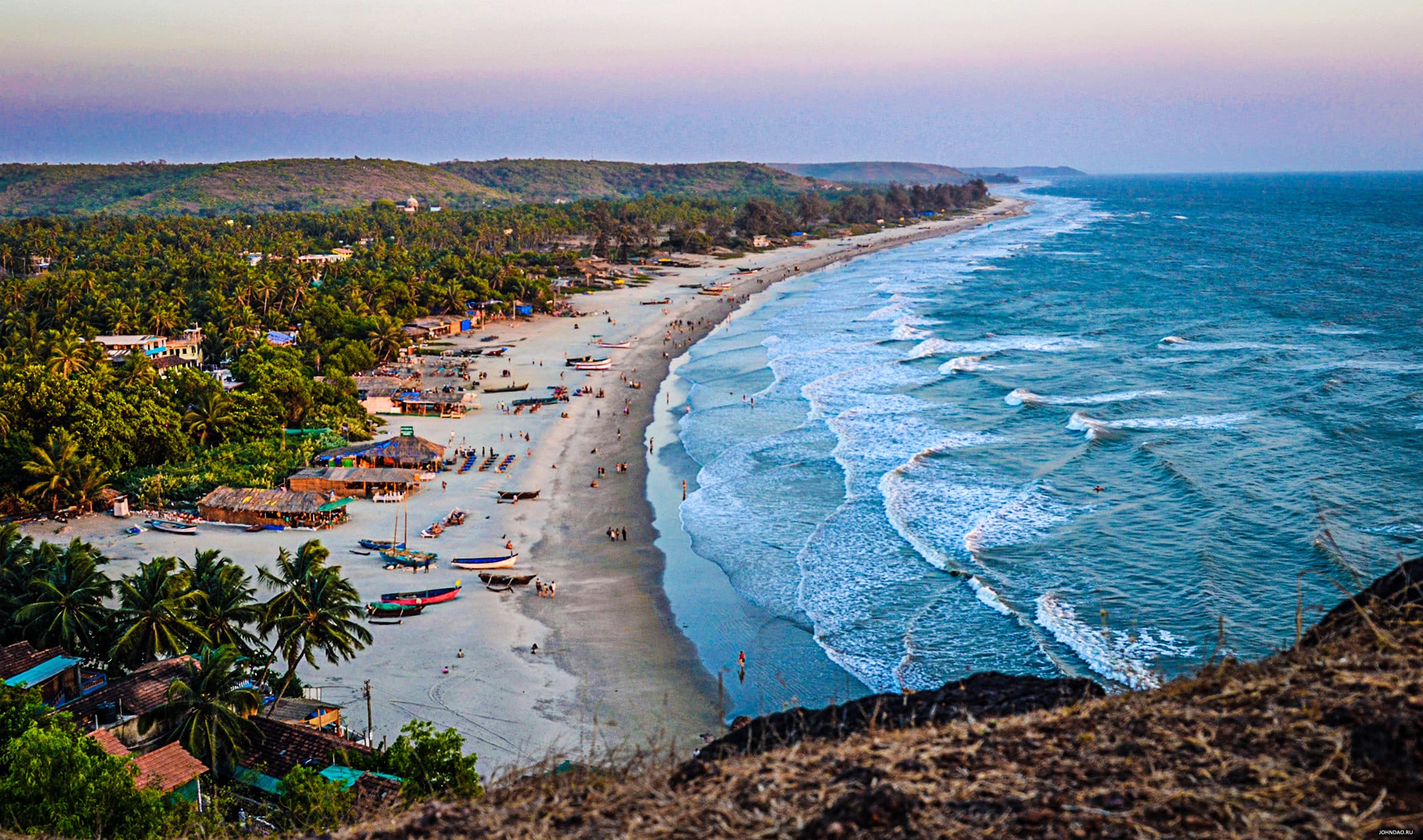
Arambol Beach Guide: Goa's Slower, Bohemian North
Arambol sits at the far edge of Goa's beach belt and has kept a slower, more independent character — a cliff-path lake, an evening drum circle, and a genuinely different pace than the beaches closer to the airport.
 Beach Guides
Vagator Beach Guide: Cliffs, Chapora Fort & Where to Stay
Vagator trades flat sand for red laterite cliffs, a working sunset ritual at Chapora Fort, and a small, boutique-leaning stay scene next door to Anjuna.
Ready to Book Your Goa Escape?
Tell us your dates and we'll find the perfect villa, resort or cottage for you — usually within the hour.