Calangute Beach Guide: North Goa's Busiest Beach, Done Right
Goa's busiest beach, covered properly — when to go, where to base yourself within Calangute, and what actually changes depending on which street you pick.
About the author
Rajesh Garela
8+ years curating verified stays across Goa
Quick Summary
- Widest, most developed beach in North Goa — shacks, water sports and real parking pressure in peak season
- Best visited before 9am or after 5pm; late morning through mid-afternoon in December–January is the crowd to avoid
- One of the broadest accommodation ranges in North Goa — value hotels through large private-pool villas
- A short ride from Baga's nightlife and Candolim's calmer stretch, and close enough to work as a base for both
- Convenient rather than tranquil — the density that makes it busy is the same density that makes it functional
Getting There and Getting Around
Calangute sits roughly 38–40km from Dabolim Airport in South Goa, which usually works out to somewhere between fifty minutes and an hour and a half depending on how the traffic through Panaji and Porvorim is running that day. Manohar International Airport at Mopa, in the north of the state, is the closer option on paper at around 28km, and it's generally the more convenient choice if Calangute, Baga, Candolim or Anjuna are where you're actually headed — Dabolim still carries more domestic flight options, so which airport makes sense often comes down to your flight rather than the drive itself. Once you're based in Calangute, a rented scooter is genuinely the most useful thing you can do for the trip. Parking along the main beach road fills up fast on weekends and through peak season, and most of what you'll want beyond Calangute's own sand — Baga, Candolim, Anjuna — is a short ride away rather than a walk. If scooter traffic isn't your thing, autos and cabs are easy to flag along the main road, though confirming the fare before you get in is worth doing here as much as anywhere else in North Goa.
What Calangute's Reputation Gets Right — and Wrong
Calangute is sometimes called Goa's "Queen of Beaches," a nickname that reflects both its size and its history as the state's original tourist hub — it was one of the first Goan beaches to develop a serious shack and tourism scene, and that head start is a big part of why it's more built-up than most of its neighbours today. The reputation for being crowded and commercial is fair as far as it goes, particularly for the stretch directly behind the busiest shacks in peak season. What it undersells is how genuinely functional Calangute is as a base. The same density that makes it feel busy also means restaurants, shops, pharmacies, ATMs and a wide spread of stay types are all within a short walk or ride, which matters more on a real trip than most "is it too touristy" debates give it credit for.
The Beach Itself
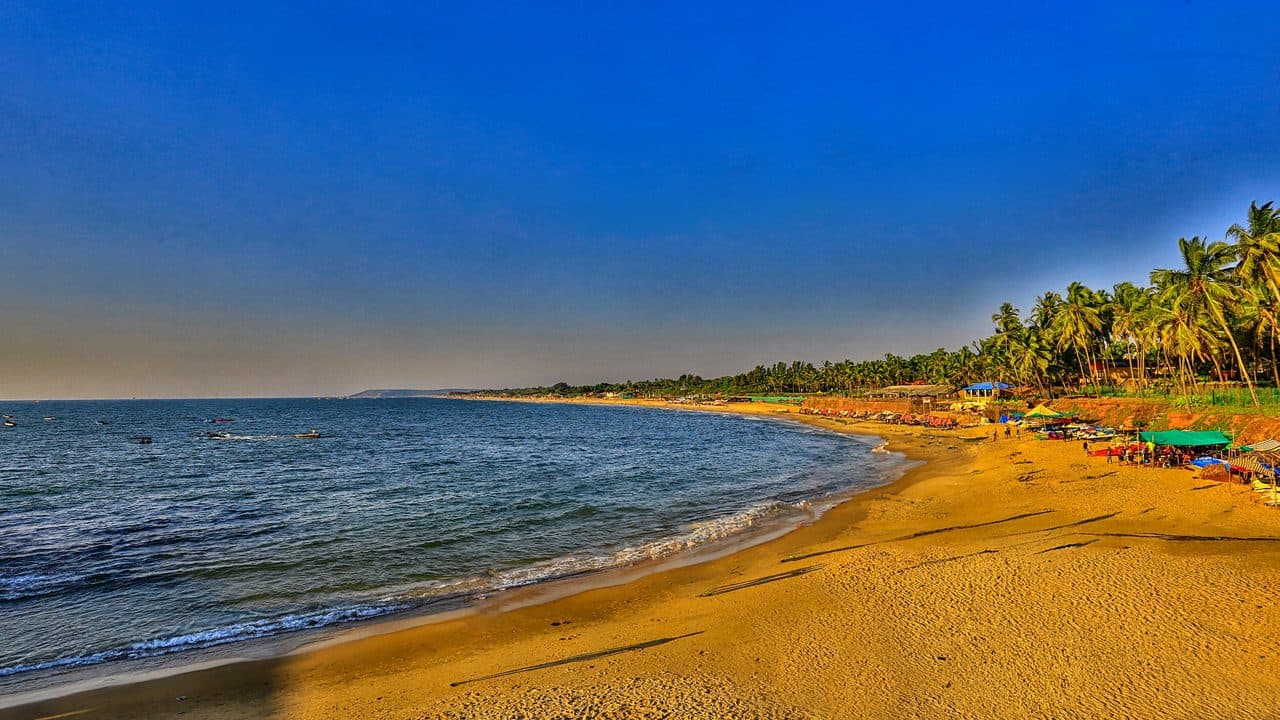
Calangute is the widest beach in North Goa, and that width is both its main draw and part of why it feels so busy — there's simply more sand for more people to spread across, though in peak season it still fills up regardless. The sand itself holds up reasonably well given the volume of foot traffic, with regular cleanup keeping it in decent shape, though the stretches directly around the busiest shack clusters get crowded with sunbeds and umbrellas packed close together. Swimming is possible but currents can pick up at points, especially during monsoon season and around tide changeovers — sticking to the flagged, lifeguard-patrolled zones is the sensible approach, particularly if you're swimming with kids or aren't a confident swimmer.
Crowd Patterns Through the Day
Calangute's crowd pattern is fairly predictable once you know it. Early morning, roughly before 8–9am, the beach is at its calmest — a genuinely good window for a walk on the sand without weaving around sunbeds and touts. Late morning through mid-afternoon is peak crowd and peak heat, particularly through December and January, when tour groups, day-trippers and Calangute's own shack culture combine to make the beach feel properly packed. Things ease off from around 5pm as the heat drops, and the couple of hours around sunset tend to be one of the more pleasant windows to actually be on the sand rather than just passing through it.
Where to Eat
The beach shacks along Calangute's sand cover the basics well — grilled fish thali, prawn curry rice, cold beer with your feet in the sand, the kind of straightforward beachside eating most visitors come to Goa expecting. Set back from the sand, the stretch behind the beach road has a real mix of Goan, Konkani and tourist-friendly multi-cuisine restaurants spanning a wide range of budgets, which is more choice than you'll find at most single beach towns in the state. Weekday evenings are noticeably calmer than weekends if you're after a table without a wait, and it's worth booking ahead for larger groups during peak season regardless of which night you're going.
Water Sports and What Else to Do
Water sports operators line the main beach — parasailing, jet-skiing, banana boat rides — priced fairly consistently across operators, so it's worth a short walk to compare a couple before booking with the first stall you pass. St. Alex Church is a short walk inland and worth a look even if churches aren't usually your thing, offering a quieter contrast to the beach's energy. The Saturday Night Market at nearby Arpora is a 15–20 minute ride and a genuinely good evening plan, combining shopping stalls, food and live music. If you're travelling with older kids or teenagers, booking two or three water sports activities back to back in one half-day session tends to work out better than spreading them across the trip — operators are set up for group bookings and will often quote a better combined rate for several activities taken together on the spot.
Where to Base Yourself Within Calangute
This is the decision that changes the trip more than almost anything else. The stretch closest to the main beach road puts you a couple of hundred metres from the sand at most, which is convenient but also the noisiest and busiest part of Calangute — worth weighing if you're a light sleeper or have young kids on an early bedtime. A few streets back, and further still into Calangute's interior belt, properties trade a slightly longer walk or a short scooter ride for a noticeably quieter night, which is worth it if you're not planning to be out on the beach road late every evening. Calangute also stretches close enough to both Candolim to the south and Baga to the north that a stay near either edge of the area can work as an effective base for exploring both neighbours without much extra travel time.
Villas, Resorts and Cottages: What Actually Suits Your Trip
Calangute has one of the widest ranges of stay types in North Goa, and it's worth matching the type to your actual trip rather than defaulting to whatever's cheapest or best-photographed. Resorts here tend to work well for families and couples who want structured amenities and don't mind sharing a pool — several run their own activity schedules, which takes real planning pressure off parents specifically. Villas suit groups and families who want a private pool and more room to spread out, particularly useful if you're travelling with extended family or a group of friends who'd rather cook some meals in than eat out every night. Cottages sit somewhere in between — generally smaller-scale and more boutique in feel than a full resort, a reasonable middle ground for couples who want more character than a standard hotel room without villa-level space or cost.
Calangute Compared to Baga and Candolim
These three areas sit close enough together that it's worth understanding how they actually differ rather than treating them as interchangeable. Calangute is the widest and busiest of the three, with the broadest range of stay types and the densest cluster of restaurants and shops. Baga, immediately north and functionally continuous with Calangute along the sand, is smaller in beach area but louder after dark — Tito's Lane, the state's best-known nightlife strip, sits just off its beach road. Candolim, to the south, is the calmest of the three, with a more relaxed beach atmosphere and noticeably less daytime crowding, while still staying close enough to both Calangute and Baga that you're not giving up much on access. Plenty of visitors end up spending time across all three regardless of where they're actually staying, given how short the rides between them are.
Getting Around Without Your Own Scooter
Not everyone wants to rent and ride a scooter, and Calangute is one of the easier North Goa beach towns to manage without one. Kadamba Transport Corporation buses run along the main Calangute–Baga–Candolim corridor and connect further out to Panaji and Mapusa, though timings are the kind of thing worth checking locally rather than assuming a fixed schedule, since frequency thins out later in the evening. App-based cab services operate across North Goa and are a reasonable option for point-to-point trips, though pickup times and driver availability can be less consistent here than in a larger city, particularly late at night or in peak-season traffic. Pre-paid auto and taxi stands along the main beach road are the fallback most visitors end up using, and agreeing the fare before getting in remains standard practice regardless of which option you pick.
Money, Connectivity and Everyday Practicalities
Card and UPI payments are now widely accepted at the larger shacks, resorts and shops along Calangute's main stretch, which has changed the cash-heavy reputation Goa used to have — though smaller stalls, market vendors and some water sports operators still prefer cash, so it's worth carrying some regardless. ATMs are reasonably easy to find along the beach road and in the interior belt, more so than in smaller, less developed beach towns further out. Mobile network coverage is generally reliable given how built-up the area is, and most stays and cafés offer wifi, though speeds can dip during peak-season evenings when the area's population swells.
Calangute for Solo Travellers
Calangute's density works in a solo traveller's favour in a specific way — there's enough foot traffic and enough going on that it doesn't feel isolating the way a quieter beach town further out might for someone travelling alone. Budget-friendly hotel and guesthouse options exist alongside the resort and villa inventory, and the concentration of restaurants and shops means there's always something to do without needing to plan a full day out. It's a reasonably easy entry point for a first solo trip to Goa specifically because so much is within a short walk or ride, even if it's not the most tranquil version of a solo beach holiday.
Shopping Along Calangute's Main Road
Beyond the beach itself, the main road running parallel to the sand is lined with a genuinely wide spread of shops — clothing, souvenirs, jewellery, beachwear — enough that browsing here can eat up a reasonable chunk of an afternoon on its own. It's more commercial and less distinctly local than Anjuna's Wednesday flea market or Mapusa's municipal market, but it's convenient precisely because it's right there without needing to plan a separate trip. Bargaining is generally expected at the smaller stalls and less so at fixed-price shopfronts, and it's worth a quick walk-through of a few shops before committing if you're after something specific, since prices for similar items can vary noticeably between stalls a short distance apart.
Safety and Practical Considerations
Calangute has lifeguards stationed along the main stretch during the main tourist season, and flagged zones mark the areas considered safest for swimming — worth actually noting when you arrive rather than assuming the whole beach is uniformly safe. Sun exposure is a bigger practical concern than most first-time visitors expect, particularly in the midday window between roughly 11am and 3pm during the dry season — reef-safe sunscreen, a hat and staying hydrated matter more here than the beach's laid-back atmosphere might suggest. Keep valuables off the sand or with someone in your group rather than left unattended near a sunbed — standard practice on any busy tourist beach rather than a Calangute-specific concern, but worth the reminder given how packed the main stretch gets in season.
A Sample Day in Calangute
A day that tends to work well here: an early walk on the sand before 8am while it's still quiet, breakfast at your villa or a café set back from the beach road, then either water sports or a scooter ride out to Anjuna or Candolim during the hottest midday hours, when Calangute's own beach is at its most crowded anyway. Come back in the late afternoon as the heat and crowds ease, catch the sunset from the beach or a beachfront shack, and either stay local for dinner or head the short distance to Baga if you want more evening energy. Using Calangute as a comfortable, well-connected base rather than trying to spend the entire day on its own sand tends to give visitors the better version of the area.
Groups and Larger Parties
Calangute's mix of large villas and its proximity to Baga's nightlife makes it a genuinely solid base for bigger groups — bachelor and bachelorette parties, extended family trips, groups of friends travelling together. The area has more large-capacity villas than most other North Goa beach towns, several with private pools sized for groups rather than couples, and being a short ride from Baga means the group doesn't have to give up nightlife access just because Calangute itself is calmer after dark than its neighbour. For groups specifically, it's worth booking further ahead than a solo or couple's trip would need, since large-capacity properties are a smaller slice of the overall inventory and go first in peak season.
Best Time to Visit and What It Costs
November through January is peak season — the most reliable weather, the liveliest atmosphere, but also the thickest crowds and the highest rates, particularly on weekends. February and March offer a strong middle ground: still solid weather, noticeably thinner crowds, and generally easier parking and restaurant availability. Given how developed and shack-dependent Calangute's experience is, the monsoon months from roughly June through September are the weakest stretch to visit specifically for the beach itself — many shacks scale back or close for the season and swimming conditions get rougher, though the area is quieter and rates drop meaningfully if that trade-off works for you. On budget, Calangute genuinely spans the full range of Goa's accommodation market more than most other North Goa beach areas — value-focused hotels set back from the beach road offer a lower-cost entry point without sacrificing much on access, while beachfront resorts and large private-pool villas sit at the premium end, commanding higher rates for direct beach proximity and more space.
Common Mistakes Visitors Make
- Visiting the beach at midday in peak season and being surprised by the crowd and the heat
- Skipping the scooter rental and underestimating how spread out North Goa's key areas actually are
- Booking the first water sports operator seen rather than comparing prices along the beach first
- Assuming Calangute is the quiet part of North Goa because it's less famous for nightlife than Baga
- Not checking a villa or resort's actual walking distance to the beach road before booking on photos alone
Nearby Beaches and Day Trips
Calangute's location is arguably its strongest advantage — it puts you within easy reach of most of North Goa's other main beaches without needing to change base. Baga, immediately north, is worth the short ride for its nightlife and its own shack scene. Candolim to the south offers a calmer beach experience, with Fort Aguada nearby for a bit of history and a solid sunset viewpoint. Further out, Anjuna and Vagator make for a good half-day or full-day trip if you want the cliffside café and flea-market atmosphere those areas are known for, both reachable in roughly 20–30 minutes from a Calangute base.
What to Check Before Booking a Calangute Stay
- Actual walking or riding distance from the property to the beach and main road — not just the area name
- Whether any pool is private or shared, and its size relative to your group
- Noise levels — properties directly on the main beach road will be louder than ones set back
- Parking availability if you're planning to rent a scooter or arrive by car
- Cancellation policy, especially for peak-season bookings made several months out
Calangute for Families with Young Kids
The width of the beach genuinely helps with younger kids — there's enough flat, open sand that you're not constantly negotiating space with sunbeds and shack seating the way you might on a narrower stretch. The shallower, calmer sections within the flagged zones are the ones worth sticking to rather than the open water further out, and going early before the midday crowd builds up makes supervision considerably easier. A handful of resorts in the area run their own kids' activities and shallow pools, which is worth checking for if you'd rather not have every afternoon revolve entirely around the beach itself, especially over a longer stay.
Frequently Asked Questions
Is Calangute Beach good for swimming?
Swimming is possible but currents can get strong, especially in monsoon season. Stick to the flagged safe zones, and be extra cautious with kids given how crowded the water can get in peak season.
How far is Calangute from Baga Beach?
They sit immediately next to each other, effectively continuous along the sand — a five to ten minute scooter ride by road, or a walkable stretch along the beach itself, which makes basing yourself in one and spending time in both an easy default.
Is Calangute too crowded to be worth visiting?
Not if you time it right. Early morning and evening windows are genuinely pleasant even in peak season — it's specifically the late-morning-to-afternoon stretch in December and January that gets uncomfortably crowded.
What's the best area within Calangute to stay for families?
Properties a few streets back from the main beach road tend to work well for families, giving easy beach access without the full noise and traffic of the immediate beachfront strip.
Do I need a scooter if I'm staying in Calangute?
It genuinely helps. Calangute itself is walkable, but reaching nearby Baga, Candolim or Anjuna comfortably is much easier with your own transport than relying on autos for every trip.
Is Calangute a good base for a group or bachelorette trip?
Yes — it has a strong selection of large-capacity villas with private pools, and it's close enough to Baga that groups don't lose nightlife access while staying somewhere calmer after dark.
Villa or resort — which makes more sense for a Calangute stay?
It comes down to group size and how much you want to cook or gather in one place. A villa makes more sense once you're travelling with six or more people who want a private pool and shared living space; a resort tends to suit couples or smaller families who'd rather have amenities and daily housekeeping handled for them.
Can I get around Calangute without renting a scooter?
Yes, more easily than in most North Goa beach towns — buses, pre-paid autos and app-based cabs all operate along the main corridor. A scooter still makes side trips to Anjuna, Vagator or further out considerably more convenient, but it isn't strictly necessary if you're planning to stay close to Calangute, Baga and Candolim.
Is Calangute a good first stop for a solo trip to Goa?
It's a reasonable one. The density of restaurants, shops and budget-to-mid-range stays means there's always something within walking distance, which helps if you're travelling alone and don't want to feel stuck without a plan for the evening.
Stays Featured in This Guide
 Resort
Cliffshade Beach Resort
North Goa, Calangute
₹2,900/night | ₹5,800/night (Nov–Jan ★)
 Villa
VillaQuinta Verde Villa
North Goa, Calangute
₹36,000/night | ₹72,000/night (Nov–Jan ★)
 Villa
VillaAzuremere Villa
North Goa, Calangute
₹22,000/night | ₹44,000/night (Nov–Jan ★)
 Resort
Kokum Grove Resort
North Goa, Calangute
₹4,400/night | ₹8,800/night (Nov–Jan ★)
Related Guides
Related Articles
 Beach Guides
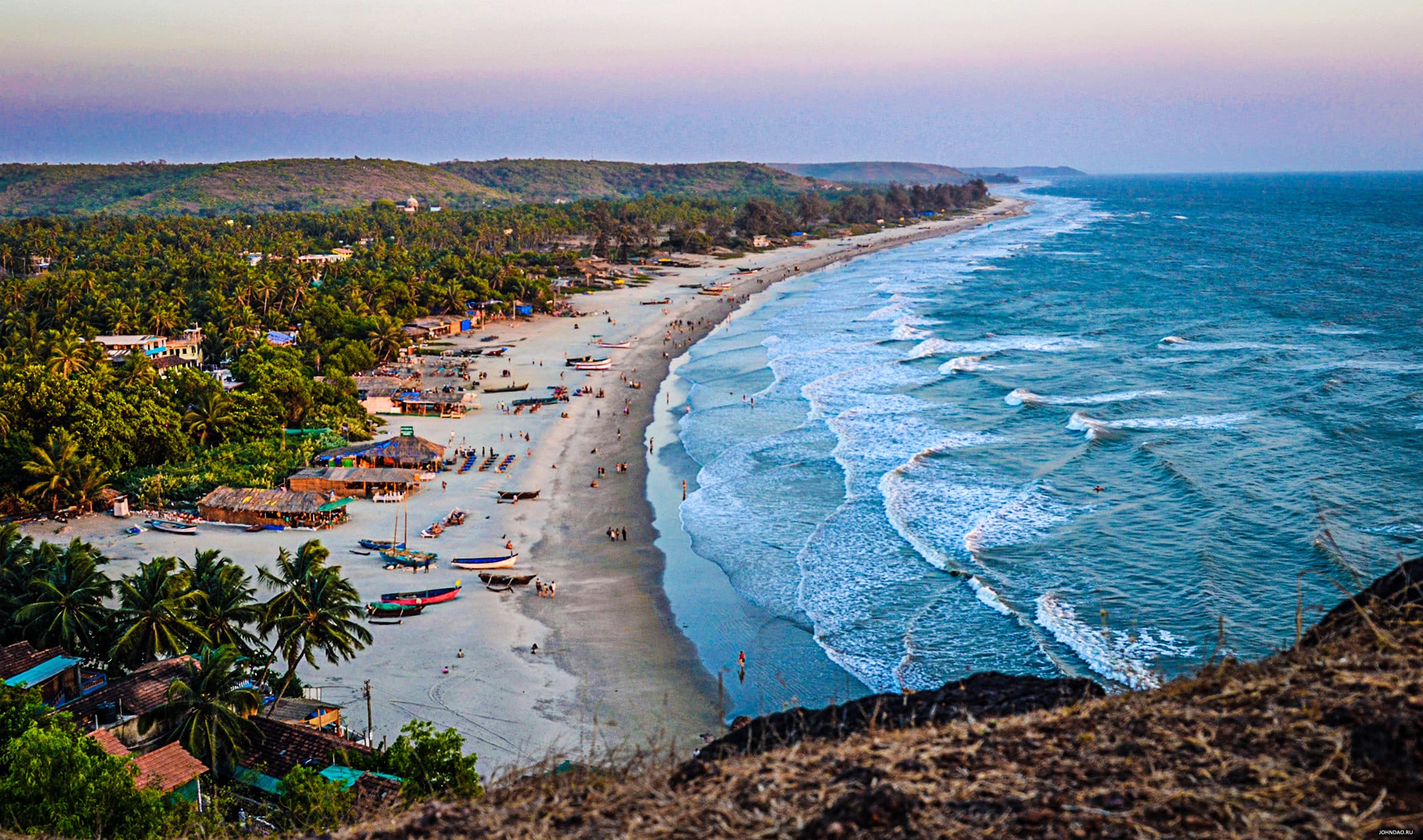
Arambol Beach Guide: Goa's Slower, Bohemian North
Arambol sits at the far edge of Goa's beach belt and has kept a slower, more independent character — a cliff-path lake, an evening drum circle, and a genuinely different pace than the beaches closer to the airport.
 Beach Guides
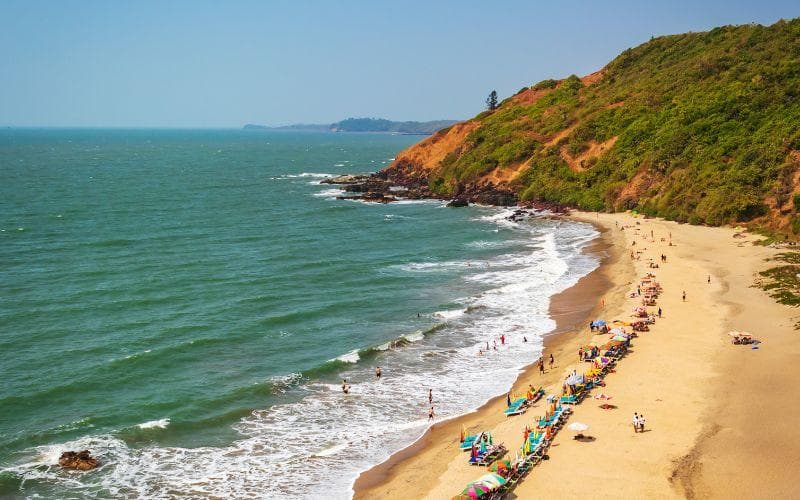
Vagator Beach Guide: Cliffs, Chapora Fort & Where to Stay
Vagator trades flat sand for red laterite cliffs, a working sunset ritual at Chapora Fort, and a small, boutique-leaning stay scene next door to Anjuna.
Ready to Book Your Goa Escape?
Tell us your dates and we'll find the perfect villa, resort or cottage for you — usually within the hour.