8 Hidden Beaches in South Goa Tourists Miss
South Goa trades nightlife for quiet — here's an honest look at Palolem, Agonda, Colva, Varca, Cavelossim and the smaller coves further south, plus how to actually plan a visit.
About the author
Rajesh Garela
8+ years curating verified stays across Goa
Quick Summary
- Palolem — the best-known South Goa beach, a curved bay with a genuinely picture-postcard shape
- Agonda — quieter than Palolem, popular with long-stay travellers and a turtle nesting site
- Colva & Benaulim — wide, flat, easy beaches close to South Goa's small towns
- Varca & Cavelossim — long, uncrowded stretches near the resort belt
- Majorda & Betalbatim — a quieter, more residential run of coast north of Colva
- Butterfly Beach & Cabo de Rama — reachable mainly by boat or a proper hike
Palolem Beach
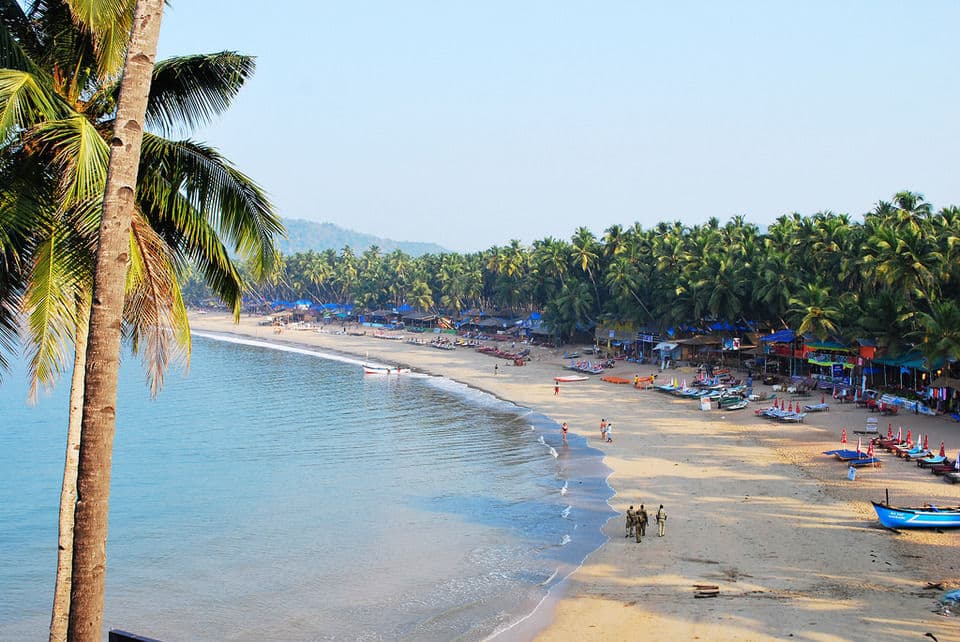
Palolem's crescent shape is the reason it shows up on every South Goa postcard, and it's one of the rare cases where the reality mostly lives up to the image — a curved bay backed by palm trees, with calm water for most of the year and small rocky headlands at either end that keep the bay sheltered. The beach huts along the tree line are a step gentler in scale and price than most North Goa equivalents, and the whole stretch has a settled, easy-going feel rather than a party-town one.
It gets busier every season as more people discover it, and December–January evenings can feel surprisingly lively for what's still, by North Goa standards, a quiet beach. It's still a fraction of Calangute's crowd, though, and remains one of the more reliable picks in South Goa for travellers who want an actual beach town — restaurants, a handful of shops, a night market in season — without the density of the north.
The bay is small enough to walk end to end in fifteen or twenty minutes, which makes it easy to get a feel for the whole beach on your first evening. Kayak and canoe rentals are common along the shore, and the calm, sheltered water makes it one of the more genuinely swim-friendly beaches on this list for most of the year outside monsoon.
Agonda Beach
A short drive south of Palolem, Agonda has kept a deliberately lower profile — long stretches with barely anyone on them outside peak weeks, and a community of travellers who tend to stay for weeks rather than days. The beach itself is longer and straighter than Palolem's curved bay, backed by a mix of palm groves and low-key huts rather than a developed strip.
It's also a known olive ridley turtle nesting site, generally active from around November through April, with quieter conditions than Palolem being part of why turtles favour it. If you're visiting during nesting season, the same rule applies as further north: keep a respectful distance from any marked hatchery areas and avoid bright lights or loud noise near them after dark. Agonda suits travellers who've already done a livelier beach town once and want the slower version this time.
Development here is deliberately restrained — Agonda's own local guidelines and the turtle nesting activity have kept large-scale construction off much of the beachfront, so what you get is mostly small huts, low-rise stays and a handful of relaxed cafés rather than anything resembling a resort strip. It's one of the better picks on this list for a genuine digital-detox stretch of the trip.
Colva Beach
Colva is South Goa's most developed beach, with a proper town behind it rather than just a run of shacks — a church square, local shops, and enough infrastructure that it doesn't feel like you're roughing it, while still being a fraction of Calangute's scale. The sand is wide and flat, easy to walk for long stretches, and the water is generally calmer than the more exposed beaches further south.
It works well as a base if you want a genuine small-town feel with easy beach access, rather than a resort compound experience. Colva is also central enough within South Goa that Benaulim, Betalbatim and even Varca are all a short drive away, making it a reasonable hub for exploring several of the beaches on this list.
Sunday evenings in Colva town have a genuine local energy to them — families out for a walk, small stalls setting up, church bells if you're near the square — that's a different texture from the tourist-focused evenings further north. It's a reasonable base if part of what you want from South Goa is a sense of an actual town rather than a beach resort strip.
Benaulim Beach
Benaulim sits just south of Colva and is quieter and slightly more local in character, without the town centre that gives Colva its buzz. It shares the same wide, flat sand — this is beach for beach's sake, without Vagator's cliffside drama or Palolem's curved-bay photogenic quality, but genuinely pleasant for long walks and unhurried mornings.
It's popular with dolphin-watching boat trips that depart from this stretch of coast, and the fishing-village character is still visible in the mornings when boats come in — a different rhythm from the shack-and-sunbed routine further north. Benaulim suits travellers who want to be near Colva's amenities without quite being in the thick of it.
The sand at Benaulim tends to be a little less crowded than Colva's even in peak season, since most of the day-tripper traffic stops at Colva itself. If you want Colva's convenience without quite as many people on the beach in front of you, staying in Benaulim and walking or scootering into Colva for the town amenities is a reasonable compromise.
Majorda & Betalbatim Beach
North of Colva, Majorda and Betalbatim form a quieter, more residential stretch of coast that a lot of first-time South Goa visitors skip entirely in favour of the better-known names further south. The beaches here are wide and clean, backed by a mix of large resort properties and older Goan-Portuguese houses, and the pace is noticeably unhurried even by South Goa standards.
It's a good pick if you want beach access without a beach-town atmosphere at all — no strip of shacks, no market, just sand, a handful of resort restaurants, and long stretches to yourself. Betalbatim in particular has a scattering of well-regarded seafood restaurants set back from the beach itself, worth seeking out for a proper sit-down meal rather than shack food.
This stretch also sits closest to Dabolim airport of anywhere on this list, which makes it a genuinely practical first- or last-night option if you're trying to minimise transfer time on either end of a South Goa trip, rather than travelling all the way down to Palolem or Agonda on arrival day.
Varca & Cavelossim Beach
This stretch runs long and largely empty outside the resort clusters, with a noticeably different rhythm from the market-and-shack energy up north — this is where a lot of South Goa's larger beachfront resorts are concentrated, so the beach itself often feels like an extension of wherever you're staying rather than a separate destination to travel to. Good for a quiet morning walk and unhurried resort-pool-to-beach days; not the place to look for nightlife or a bustling shack scene.
Cavelossim in particular has a slightly more built-up resort presence than Varca, with a small commercial strip, while Varca itself stays closer to open, undeveloped sand for most of its length. Both suit travellers whose priority is a resort stay with genuine beach access rather than a beach town to explore.
The wide, empty sand along this stretch also makes it one of the better spots on this list for an early-morning or sunset walk without needing to travel anywhere — if your priority is beach access right outside your stay rather than a beach town to wander around, Varca and Cavelossim are worth prioritising over Colva or Palolem.
Butterfly Beach & Cabo de Rama
Butterfly Beach is only reachable by boat from Palolem or Agonda, or via a genuinely difficult trek, which keeps it close to empty most days — boat trips from Palolem are the standard way most visitors get there, usually bundled with a bit of dolphin-watching along the way. It's a small cove rather than a long beach, and the appeal is entirely about the isolation and the boat ride itself rather than facilities, since there's essentially none.
Cabo de Rama, further south, pairs a small quiet beach with an old fort ruin on the headland above it, worth the detour on its own for the views along the coast. Both of these are day-trip destinations rather than places to base a stay — there's little to no accommodation directly at either, and Cabo de Rama in particular has very limited facilities on site.
Boat Trips and Dolphin Watching
Dolphin-watching trips are a genuine South Goa fixture, running out of Palolem, Betalbatim and a few other points along this coast, usually as a morning outing lasting an hour or two. Sightings aren't guaranteed on any given trip since it's wild dolphins in open water, not a managed attraction, but operators along this coast run them regularly enough in season that the odds are reasonably good. The same boats are often the way visitors reach Butterfly Beach from Palolem, so it's worth asking whether a dolphin trip and a Butterfly Beach stop can be combined rather than booking them separately.
Food Along the South Goa Coast
South Goa's food scene leans more heavily on Goan-Portuguese home cooking than the north's shack menus, which tend to default toward generic beach-tourist fare. Fish curry rice is the everyday staple here — usually kingfish or pomfret in a coconut-and-kokum gravy — and it's worth ordering that over a Western dish at least once, since it's what most local kitchens actually cook well. Pork vindaloo and sorpotel show up on more traditional menus, particularly around Benaulim and Colva where the local Catholic community's cooking traditions run deep.
Seafood is the obvious draw the closer you are to the water — prawn balchão, crab xec xec and grilled kingfish are common across this stretch, and the smaller, family-run places tend to do them better than the larger resort restaurants, even if the setting is plainer. Bebinca, the layered Goan dessert, is worth seeking out too, though it's more of an occasional treat than something every shack does well. None of this is exclusive to South Goa, but the slower pace here makes it easier to sit for a proper two-hour lunch rather than grabbing something quick between beach stops, which is arguably the better way to eat it anyway.
Best Time to Visit South Goa
The seasonal pattern mirrors North Goa: December through February is peak season, with the most reliable dry weather and, correspondingly, the highest prices and busiest beaches on this list — Palolem especially. October–November and March–April are worth considering if you want thinner crowds and better rates while accepting a slightly higher chance of a stray shower or two.
Monsoon, roughly June through September, changes South Goa dramatically — the countryside turns a deep green, rivers swell, and the coast is genuinely quiet, but a large share of the smaller beach huts and shacks close for the season, particularly around Agonda and Palolem, so infrastructure thins out considerably if you're travelling then.
Getting to and Around South Goa
Dabolim, Goa's older airport, sits in South Goa near Vasco da Gama and remains the closer option for this entire stretch of coast — a noticeably shorter transfer than flying into Manohar International Airport at Mopa up in North Goa and driving south. If your flight has a choice of airports, Dabolim is worth prioritising for a South Goa-focused trip; some airlines still route primarily through it for exactly this reason, even though Mopa now handles the bulk of Goa's overall air traffic and is the better option if North Goa is on your itinerary too.
A scooter works for getting between these beaches just as it does up north, though distances between some of them — Palolem to Majorda, for instance — are longer than the equivalent hops in North Goa, so budget more time than you would there. A car with a driver is a reasonable alternative if you're covering the full stretch from Palolem to Betalbatim in a single day, particularly if anyone in your group isn't comfortable on a scooter for longer rides.
Choosing an Area to Base Yourself
Palolem is the easiest first-time base — it has enough of a beach-town feel (restaurants, a night market in season, boat trips) that you're never short of something to do, while still being calmer than anywhere in North Goa. Agonda suits a second South Goa trip, once you know the slower pace is what you actually want rather than something you're settling for.
Colva and Benaulim work well if you want small-town amenities within walking distance of the beach — pharmacies, ATMs, a proper choice of restaurants — without needing to rely entirely on a resort for everything. Varca and Cavelossim suit a more classic resort holiday, where the point is a comfortable stay with a pool and easy beach access rather than a town to wander through. Majorda and Betalbatim are worth considering specifically if minimising airport transfer time matters to your trip.
Planning a South Goa Trip Honestly
It's worth saying plainly: our current stay inventory is concentrated in North Goa, with a small but growing presence in South Goa around Palolem, Colva, Cavelossim and Varca. If South Goa is your priority, message us on WhatsApp before booking — we work with Rajesh's broker network across the south and can very often source a suitable villa or homestay on request, even where it isn't listed on the site yet.
Mistakes First-Timers Make in South Goa
The most common one is treating South Goa like a compressed version of North Goa and trying to fit in the same density of beach-hopping — the distances are longer and the pace is meant to be slower, so overpacking the itinerary tends to backfire. The second is arriving expecting the shack-and-nightlife scene of Baga or Calangute and being disappointed when Varca or Betalbatim turn out to be exactly the quiet stretches they're known for.
The third is skipping South Goa entirely on a first trip because North Goa's beaches are better known, then wishing there'd been time for both — a single day trip down to Palolem or Colva from a North Goa base is a reasonable way to get a taste without committing your whole stay to it.
A fourth, smaller mistake: underestimating how limited facilities are at the more isolated spots like Butterfly Beach and Cabo de Rama. There's little to no food, water or shade available at either, so it's worth carrying your own rather than assuming a shack will be waiting the way it would at Palolem or Colva.
Frequently Asked Questions
Is South Goa worth visiting if I've already done North Goa?
Yes, particularly if your last trip was nightlife-heavy. South Goa's slower pace, wider beaches and lower density make it feel like a genuinely different holiday rather than a repeat, even though it's the same state.
How far is South Goa from Dabolim Airport?
Most South Goa beaches, including Palolem, Colva and Benaulim, are a noticeably shorter drive from Dabolim than from Mopa up north — Dabolim remains the more convenient airport specifically for South Goa, even though Manohar International Airport at Mopa now handles more of Goa's overall flight traffic.
Can I book a South Goa stay through Goa Beach Stays?
We have a small live inventory around Palolem, Colva, Cavelossim and Varca, and can source additional South Goa properties on request through our broker network — message us on WhatsApp with your dates and we'll confirm what's realistically available.
Which South Goa beach is best for families?
Colva and Benaulim tend to work best for families, thanks to their wide, flat sand, calmer water and enough nearby infrastructure (shops, restaurants, pharmacies) to make a family trip logistically easier than the more isolated stretches further south.
When is the best time to visit South Goa's beaches?
The same broad pattern as North Goa applies — December through February is peak season with the most reliable weather, October–November and March–April are quieter shoulder months worth considering, and the June–September monsoon slows the whole region down considerably, with many shacks and smaller stays closing or scaling back.
Do I need a car in South Goa, or is a scooter enough?
A scooter is enough for most independent travellers and is the more common choice, but the longer distances between beaches here compared to North Goa mean it's worth budgeting more travel time per trip. If you're planning to cover the full stretch from Palolem to Betalbatim in one visit, or you're travelling with people who aren't comfortable on two wheels for longer rides, a car with a driver for at least part of the trip is a reasonable call.
What food should I try in South Goa?
Fish curry rice is the dish to prioritise — it's the everyday local staple rather than a tourist special, and small family-run places tend to do it better than large resort restaurants. Prawn balchão, crab xec xec and, if you can find it, bebinca for dessert are also worth seeking out along this coast.
Whichever beach you settle near, South Goa rewards a slower itinerary — plan for fewer stops per day than you might in the north, and the quiet stretches of sand will feel like the point of the trip rather than a compromise.
Stays Featured in This Guide
 Villa
VillaSunset Cove Cottages
South Goa, Palolem
₹1,800/night | ₹3,600/night (Nov–Jan ★)
 Resort
Casa Fontana Resort
South Goa, Colva
₹6,200/night | ₹12,400/night (Nov–Jan ★)
 Resort
Azure Horizon Resort
South Goa, Cavelossim
₹9,500/night | ₹19,000/night (Nov–Jan ★)
 Resort
Marvella Resort South Goa
South Goa, Varca
₹7,200/night | ₹14,400/night (Nov–Jan ★)
Related Guides
Related Articles
 Beach Guides
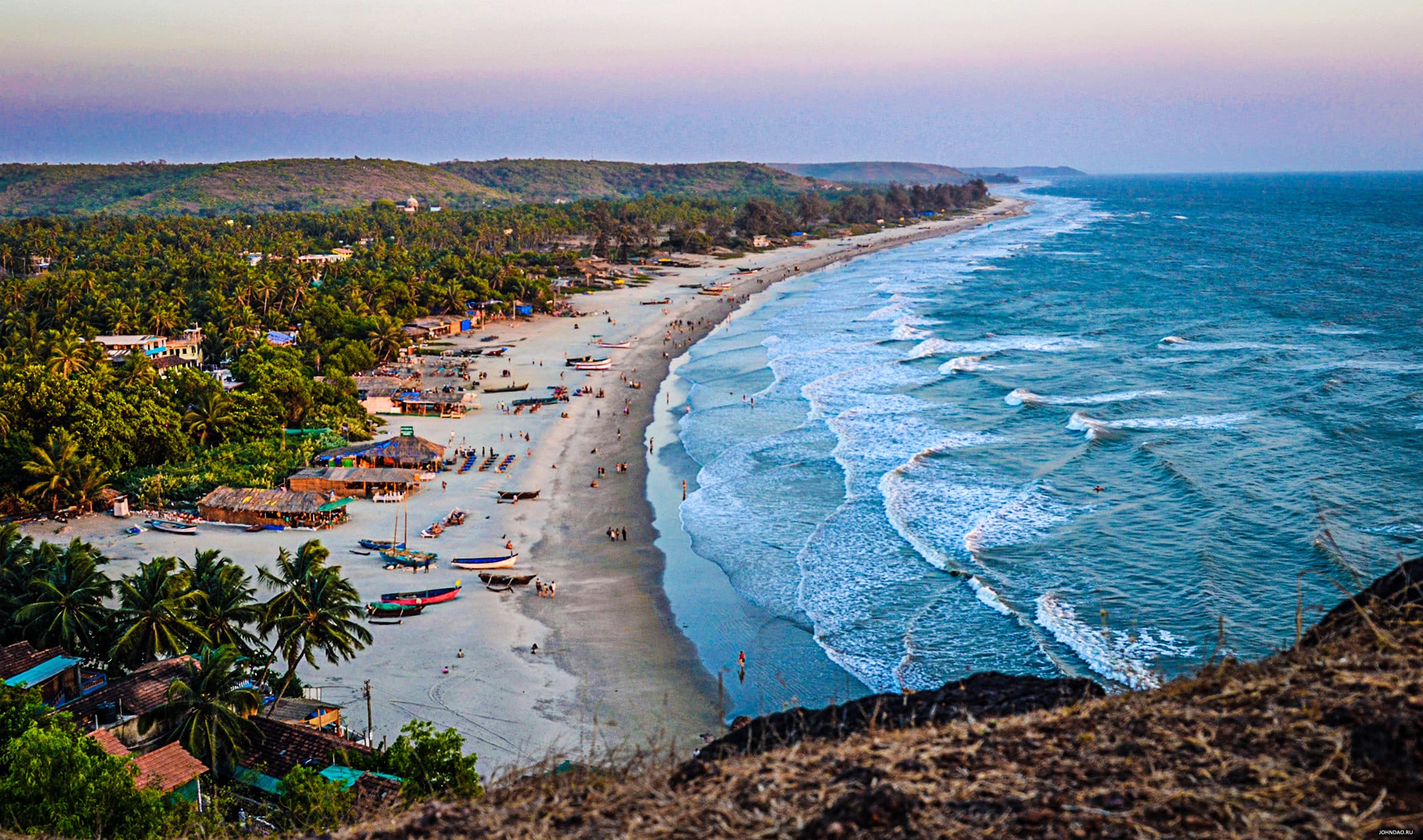
Arambol Beach Guide: Goa's Slower, Bohemian North
Arambol sits at the far edge of Goa's beach belt and has kept a slower, more independent character — a cliff-path lake, an evening drum circle, and a genuinely different pace than the beaches closer to the airport.
 Beach Guides
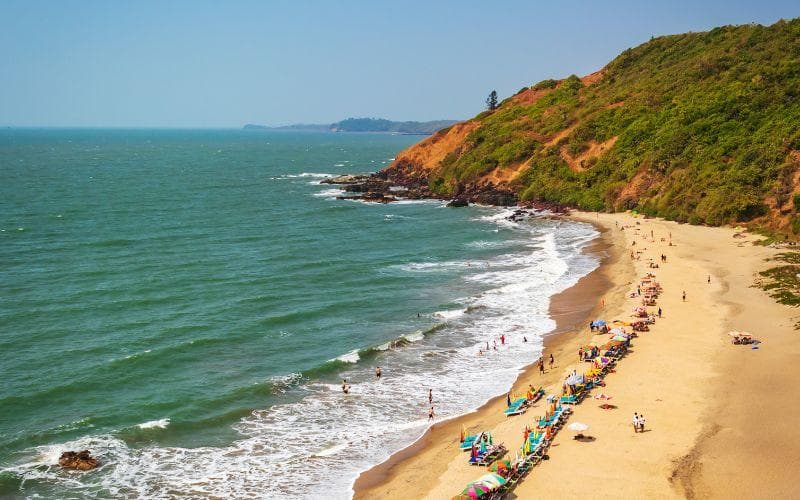
Vagator Beach Guide: Cliffs, Chapora Fort & Where to Stay
Vagator trades flat sand for red laterite cliffs, a working sunset ritual at Chapora Fort, and a small, boutique-leaning stay scene next door to Anjuna.
Ready to Book Your Goa Escape?
Tell us your dates and we'll find the perfect villa, resort or cottage for you — usually within the hour.