Anjuna Beach Guide: The Flea Market, the Cliffs and What Else to Know
Anjuna's Wednesday flea market and cliffside cafés give it a different personality from Calangute — the beach, the market, the trance-scene history, and where to base yourself nearby.
About the author
Rajesh Garela
8+ years curating verified stays across Goa
Quick Summary
- Best known for the Wednesday flea market — one of Goa's longest-running markets, not a tourist-invented gimmick
- A rockier coastline than Calangute or Baga, with tide pools exposed at low tide
- Cliffside cafés along the northern edge have some of North Goa's better sunset views
- A short ride from both Vagator and Baga, useful if you want to combine beach days with more infrastructure
- Suits a younger, more alternative crowd better than families wanting a flat, easy swimming beach
A Bit of History — Why Anjuna Feels Different
Anjuna's identity was shaped well before it became a stop on a standard North Goa itinerary. It was one of the original centres of Goa's hippie-trail era from the late 1960s onward, when long-stay travellers settled along this stretch of coast for months at a time, and a lot of what still defines the area — the flea market, the trance and psy-trance music scene, the cliffside café culture — traces back to that period rather than being a recent tourism invention. That history is worth knowing because it explains why Anjuna still feels a notch more bohemian and unpolished than Calangute or Candolim, even as it's become considerably more commercial than it was decades ago.
Getting to Anjuna
Anjuna sits roughly 45–50km from Dabolim Airport, typically a drive of an hour and a half to two hours depending on traffic through Panaji. Manohar International Airport at Mopa in the north is generally the more convenient option for Anjuna specifically, at somewhere around 25–30km and closer to forty-five minutes to an hour by road — worth keeping in mind when comparing flights if Anjuna, Vagator or the wider North Goa belt is your main base. Once you're settled in, a scooter is close to essential: Anjuna's own lanes are walkable, but reaching the flea market grounds, the cliffside café stretch, and neighbouring Vagator comfortably is much easier with your own transport than relying on autos for every trip.
The Beach Itself
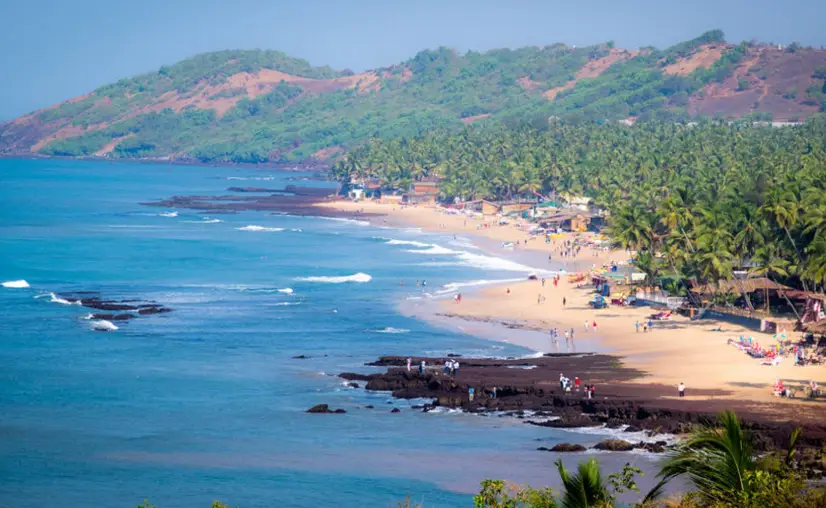
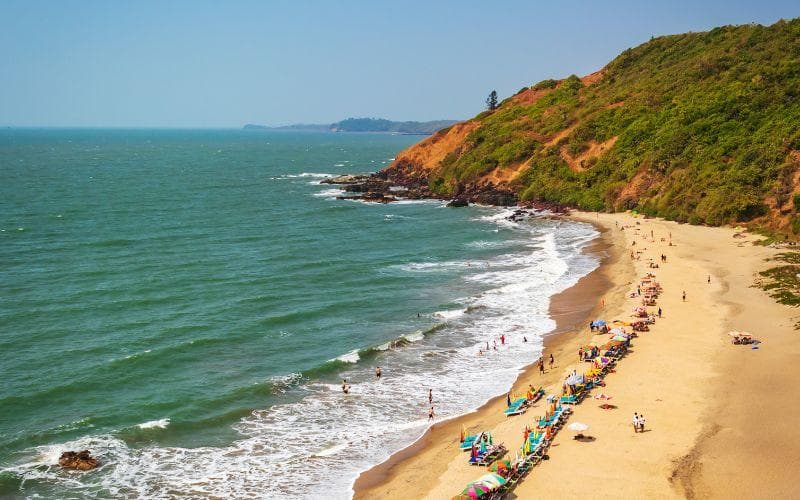
Anjuna's sand is broken up by rock outcrops along much of its length, which makes it less suited to a long uninterrupted beach walk than Calangute but creates genuine tide pools worth exploring when the tide is out. The northern stretch, close to the cliffs, has a noticeably calmer and more scenic character than the flatter, more built-up southern section near the main market grounds. Swimming conditions vary more by exact spot here than at a flat beach like Calangute, so it's worth asking locally or checking with your accommodation about which stretch is currently safest, particularly outside the main dry season.
The Wednesday Flea Market
This market has run for decades and remains one of the more genuine shopping experiences in Goa — clothing, jewellery, leather goods, spices, and a fair number of tourist-aimed stalls mixed in with vendors who've been setting up here for years. It runs through the main tourist season, roughly October to April, and going early is worth it on two counts: it beats both the heat and the crowd, and stallholders are generally more open to a fair price before the day gets busy. By afternoon, especially on a peak-season Wednesday, the lanes between stalls get genuinely packed, which is part of the experience for some visitors and a reason to leave early for others.
Cliffside Cafés and the Sunset Stretch
The cliffside cafés along Anjuna's northern edge are the main draw come evening — elevated views over the Arabian Sea, a laid-back crowd, and menus that lean toward all-day breakfasts and simple grilled seafood rather than elaborate dining. This stretch is where Anjuna's slower, more bohemian character comes through most clearly, and it's a genuinely different scene from the shack-and-sunbed rows at Calangute or Baga. It gets busy around sunset specifically, so arriving with enough time to settle in before the light starts fading is worth it if a good table matters to you.
Music, Parties and the Trance Scene
Anjuna and neighbouring Vagator are where Goa's trance and psy-trance scene largely took root, and while the full-moon party circuit is smaller and more scattered than its 1990s peak, the area still has a stronger live-music and DJ presence than most of North Goa outside Baga's Tito's Lane. What's on tends to shift season to season and even week to week, so it's worth checking locally — through your accommodation or the flea market grapevine — rather than assuming a fixed schedule. As with Baga, a statewide noise curfew applies after roughly 10pm, which shapes when and how these events actually run.
Chapora Fort and What's Nearby
Chapora Fort, a short ride north toward Vagator, is one of North Goa's better sunset viewpoints and worth combining with an evening at Anjuna's own cliffside cafés if you're making a half-day of it. The fort itself is a modest ruin rather than a major historical site, but the hilltop views over the Chapora River and the coastline below are the real draw. Vagator's own beach, split into a few smaller coves by the same rocky coastline that defines Anjuna, is close enough to treat as a natural extension of an Anjuna-based day rather than a separate trip.
Where to Stay Near Anjuna
Anjuna's own stay options tend toward villas and boutique-style resorts rather than large hotel chains, which suits the area's character and generally means smaller, more individual properties than you'd find in Calangute's denser cluster. Staying closer to the flea market grounds and southern beach puts you nearer the market-day energy and restaurant density; further toward the interior lanes or the Vagator side trades a bit of that convenience for quiet, particularly useful outside Wednesdays when the market crowd isn't the draw. It also sits close enough to Vagator and Baga that basing yourself in any of the three keeps the other two within easy reach, which is worth factoring in if your trip includes a mix of beach days and evenings out.
Anjuna Compared to Calangute and Baga
The difference isn't really about which beach is "better" — it's about what kind of trip you're planning. Calangute and Baga are flatter, more developed, and built around shacks, water sports and (in Baga's case) a dedicated nightlife strip; Anjuna is rockier, more spread out, and built around the market, the cliffside café scene and a generally younger, more alternative crowd. Families wanting an easy, flat swimming beach with structured resort amenities are usually better served by Calangute; travellers wanting a slower, more bohemian few days with a strong midweek market to build a day around tend to prefer Anjuna. Neither is a wrong choice, but they're different enough trips that it's worth being honest with yourself about which one you're actually after.
Where to Eat Beyond the Cliffside Cafés
Away from the sunset stretch, Anjuna's food scene skews toward small, independent places rather than large multi-cuisine restaurants — a fair number of them run by long-term foreign residents, which shows up in a menu mix that leans more international than the mostly Goan-and-tourist-standard fare you'd find in Calangute. Beach shacks along the southern stretch handle the usual seafood and grills, while the interior lanes have a scattering of cafés serving good coffee and all-day breakfasts that stay busy with the area's longer-stay crowd well beyond the Wednesday market rush. It's worth wandering a little rather than settling for the first place near your accommodation — Anjuna rewards that kind of unhurried exploring more than most North Goa beach towns.
Best Time to Visit Anjuna
The market and the wider tourist infrastructure both run on a October-to-April season, which lines up with Goa's dry, cooler months generally. November through February brings the best weather and the fullest version of the market and café scene; March starts to get noticeably hotter and thins the crowd out a little, which suits anyone who'd rather have more room at the cliffside cafés than a packed sunset crowd. Outside this window, particularly through the monsoon months from June to September, a lot of the market stalls and seasonal cafés close entirely, and Anjuna's appeal narrows considerably compared to the rest of the year.
Common Mistakes Visitors Make
- Visiting on a day other than Wednesday and being disappointed the flea market isn't running
- Underestimating how spread out Anjuna is and trying to get around without a scooter
- Wading into the water on the rockier stretches without checking underfoot conditions first
- Assuming Anjuna has North Goa's loudest nightlife, when Baga's Tito's Lane is the actual destination for that
- Booking a stay without checking its distance from both the beach and the market grounds specifically, since the two aren't always close together
What to Check Before Booking an Anjuna Stay
- Distance to both the flea market grounds and the beach — they aren't always next to each other
- Whether the property is closer to Anjuna's southern, more commercial stretch or the quieter northern cliffs
- Scooter parking availability, since you'll likely be relying on one for most of the trip
- How the property handles Wednesday market-day noise and traffic if it's close to the main grounds
- Realistic ride time to Vagator and Baga if nightlife access matters to your trip
A Sample Day in Anjuna
If your visit lines up with a Wednesday, the market more or less writes the day for you: an early start to beat the crowd, a few hours browsing and bargaining, lunch at one of the stalls or a nearby café, then a quieter afternoon recovering from the market before heading to the cliffs for sunset. On other days, the rhythm shifts toward the beach and the cafés — a morning swim or walk along the tide pools at low tide, a slow lunch, an afternoon exploring the rock pools or riding out to Chapora Fort, and the same cliffside sunset stretch to close things out. Either version works well as a loose plan rather than a tightly scheduled one, which suits Anjuna's overall pace.
Who Anjuna Suits Best
Younger travellers, couples wanting a bit more character than a standard resort strip, and anyone specifically drawn to the market-and-café side of Goa tend to get the most out of Anjuna. It's a weaker fit for families with very young kids who need a flat, predictable swimming beach, or for anyone who wants their whole trip within a five-minute walk of their room — Anjuna's spread-out geography rewards having a scooter and being willing to move around a bit. Groups looking for both a distinctive daytime scene and nightlife access do well basing here or in neighbouring Vagator, with Baga's Tito's Lane still a manageable ride away for anyone who wants a louder night out without giving up Anjuna's calmer daytime character.
Villas, Boutique Stays and Longer Trips
Because Anjuna's own accommodation base leans toward villas and smaller boutique properties rather than large resort chains, it tends to suit groups and longer stays better than a quick two-night visit. A private villa with its own pool makes more sense here than it might in a beach town with more shared-amenity resorts, since it gives a group a base to return to after a day spent moving between the market, the beach and Vagator rather than relying on hotel facilities. For anyone treating Anjuna as part of a longer North Goa trip — pairing it with a few nights in Calangute or Candolim — it's worth thinking about which end of your itinerary benefits more from Anjuna's quieter, more spread-out character versus the convenience of a more walkable base.
Digital Nomads and the Long-Stay Crowd
Anjuna has a visible population of travellers staying for weeks or months at a time rather than a standard one- or two-week holiday, a pattern that dates back to its hippie-trail years and has continued in a more modern form with remote workers and long-stay European and Russian visitors. That shows up practically in decent café wifi, a reasonable spread of longer-stay rental options beyond short holiday lets, and a slower overall pace that rewards settling in rather than trying to see everything in a few days. It's worth knowing about even if your own trip is shorter, since it's part of what gives Anjuna a different feel from the more turnover-driven rhythm of Calangute or Baga.
Practical Tips for an Anjuna Trip
- Time a visit around Wednesday if the flea market is a priority — it's the one day the area runs on its own distinct schedule
- Go early to the market, both for the heat and for better bargaining before the crowds build
- Rent a scooter — Anjuna's geography is more spread out than Calangute's, and walking between the market, the beach and the cliffside cafés isn't realistic
- Be more careful entering the water on the rockier stretches than you would be on a flat beach like Calangute or Candolim
- Check locally for that week's live music or DJ events rather than assuming a fixed nightly schedule
Getting Around Without a Scooter
Anjuna is harder to manage without your own transport than Calangute or Baga, simply because the beach, the market grounds and the cliffside café stretch aren't within easy walking distance of each other. Buses run along the main Mapusa–Anjuna road but with less frequency than the denser Calangute–Baga–Candolim corridor, and app-based cabs, while available, can take longer to arrive given how spread out the area is. Pre-paid taxis and autos are the more dependable fallback, especially for a late return from the cliffside cafés after sunset, but a scooter genuinely changes how much of Anjuna you can comfortably see in a day.
Money, Connectivity and Everyday Practicalities
Cash remains useful at the flea market itself, where bargaining is part of the routine and not every stall is set up for cards, though UPI acceptance has grown noticeably at the more established stalls in recent years. Away from the market, cafés and restaurants along the cliffside and interior lanes generally take cards or UPI without issue. ATMs are available in the main village area but thin out toward the quieter northern cliffs, so it's worth withdrawing what you need before heading up that end of Anjuna for the evening rather than assuming you'll find one nearby.
The Wednesday Market vs an Ordinary Day in Anjuna
It's worth being clear-eyed about the gap between an Anjuna Wednesday and every other day of the week, since a fair number of visitors arrive expecting market energy and find a much quieter village instead. Outside the flea market, Anjuna's daily shopping is limited to smaller boutiques and a handful of standalone stalls in the interior lanes — genuinely pleasant to browse, but nothing like the scale of a Wednesday. If shopping specifically is a priority and your trip doesn't line up with a Wednesday, it's worth planning a short detour to Mapusa's municipal market instead, which runs on a more regular basis and sits a manageable ride from Anjuna.
What to Check Before Booking
Beyond the usual questions of price and photos, it's worth confirming a listing's actual walking distance to both the beach and the market grounds specifically, since Anjuna's geography means these can be a fair distance apart even within what's marketed as the same neighbourhood. Ask, too, whether the property leans toward the quieter northern cliffs or the busier southern stretch nearer the market — the two halves of Anjuna genuinely feel different, and which one suits you depends on whether you're prioritising the market-day energy or the calmer café scene.
Frequently Asked Questions
What day is the Anjuna flea market?
Wednesdays, running roughly from late morning into the evening during the main season, October through April. It's the busiest and most worthwhile day to visit the area if shopping is on your list.
Is Anjuna Beach good for swimming?
It's swimmable but the rocky sections mean you need to be more careful about exactly where you enter the water compared to flatter beaches like Calangute or Candolim, particularly outside the calmer dry-season months.
How far is Anjuna from Vagator?
About 10–15 minutes by scooter — close enough that many travellers treat the two as a single evening out, moving between Anjuna's cliffside cafés and Vagator's cliffs and Chapora Fort.
Is Anjuna a good base for families?
It can work for families with older kids who'll enjoy the market and the more relaxed café scene, but the rocky coastline and more spread-out layout make it a less natural fit than Calangute or Candolim for families with younger children.
Do I need a scooter to enjoy Anjuna properly?
Yes, more so than in Calangute. Anjuna's market, beach and cliffside café stretch aren't within easy walking distance of each other, and reaching Vagator or Chapora Fort comfortably really does need your own transport.
What's the best time of year for the flea market?
Anytime within the October-to-April season works, but November through February brings the fullest version — more stalls, more crowd, more of the market's original energy. Late March visits get a thinner, hotter version of the same thing.
Is Anjuna a good base for a longer North Goa trip?
It works well as one part of a longer stay, especially paired with a few nights somewhere more walkable like Calangute or Candolim. Its own villa and boutique-stay base suits groups and longer visits better than a quick one- or two-night stop.
What if my trip doesn't line up with a Wednesday?
The flea market is genuinely the standout reason to visit on a specific day, but Anjuna's beach, tide pools and cliffside cafés are worth the trip regardless. If shopping matters and Wednesday doesn't work, Mapusa's municipal market runs more regularly and is a manageable ride away.
Are ATMs and card payments easy to find in Anjuna?
In the main village and along the cliffside cafés, yes — cards and UPI are widely accepted. At the flea market itself and toward the quieter northern stretch, cash is still more reliable, so it's worth withdrawing what you need before heading that way.
Stays Featured in This Guide
 Villa
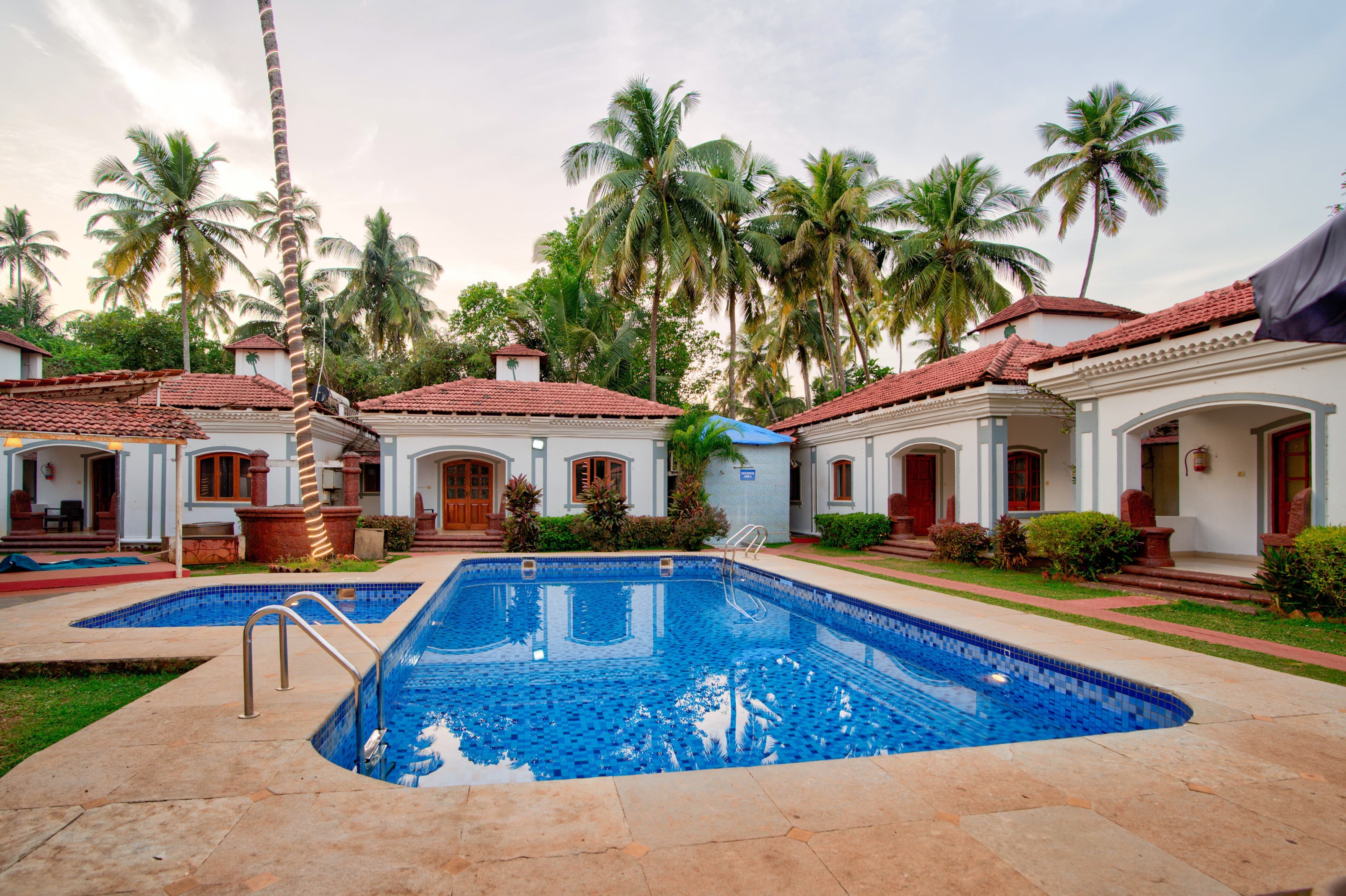
VillaMeridian Palms Villa Estate
North Goa, Anjuna
₹16,000/night | ₹30,000/night (Nov–Jan ★)
 Villa
VillaAmber Grove Villa
North Goa, Anjuna
₹23,500/night | ₹47,000/night (Nov–Jan ★)
 Villa
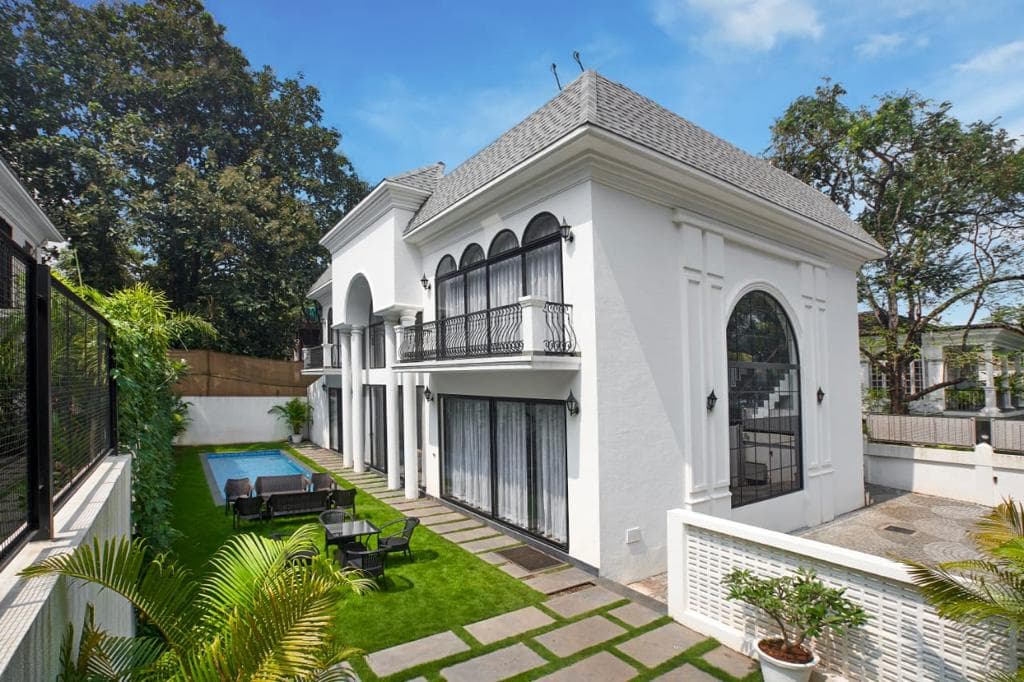
VillaAzure Palm Luxury Villa
North Goa, Anjuna-Vagator
₹32,000/night | ₹64,000/night (Nov–Jan ★)
Related Guides
Related Articles
 Beach Guides
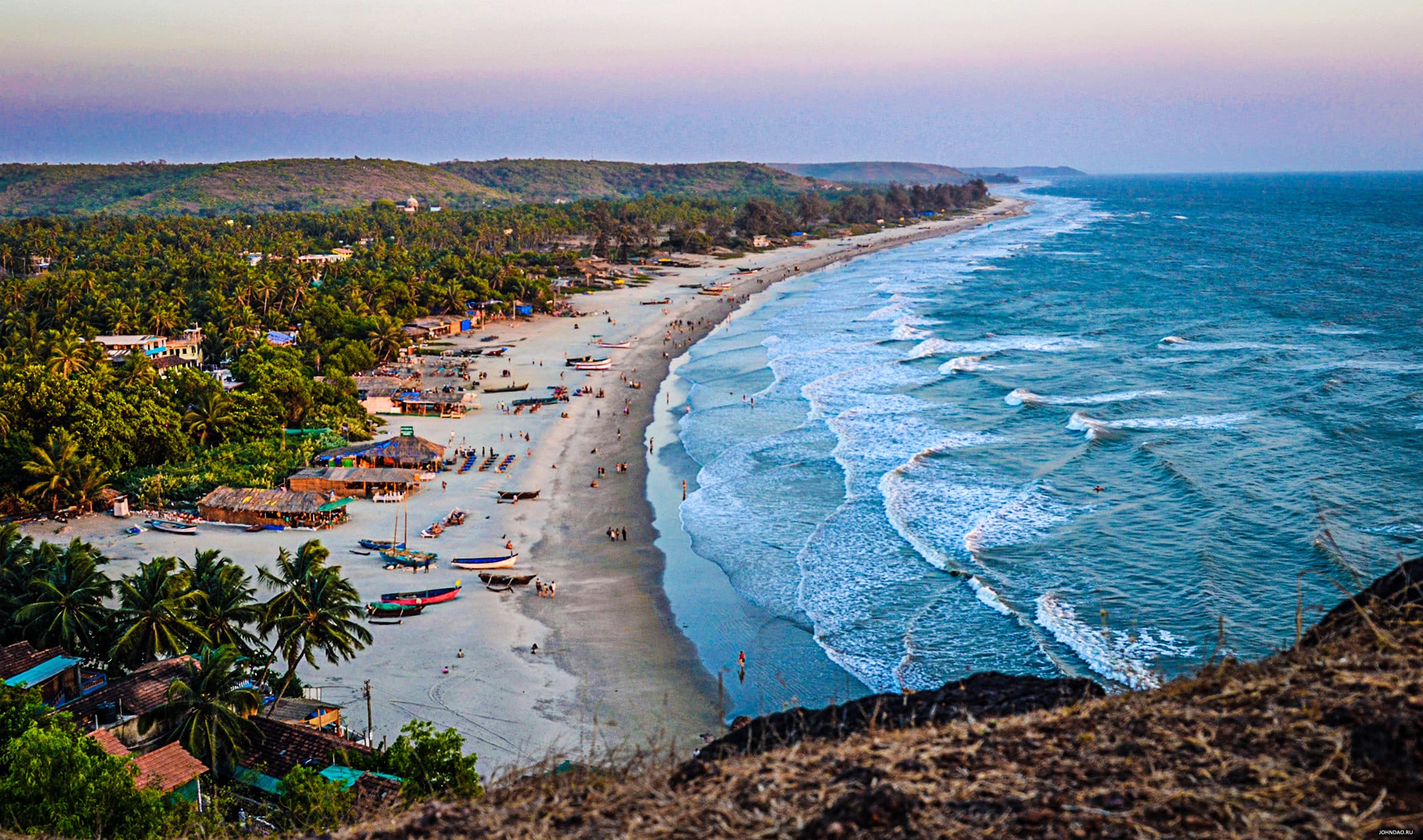
Arambol Beach Guide: Goa's Slower, Bohemian North
Arambol sits at the far edge of Goa's beach belt and has kept a slower, more independent character — a cliff-path lake, an evening drum circle, and a genuinely different pace than the beaches closer to the airport.
 Beach Guides
Vagator Beach Guide: Cliffs, Chapora Fort & Where to Stay
Vagator trades flat sand for red laterite cliffs, a working sunset ritual at Chapora Fort, and a small, boutique-leaning stay scene next door to Anjuna.
Ready to Book Your Goa Escape?
Tell us your dates and we'll find the perfect villa, resort or cottage for you — usually within the hour.