
North Goa vs South Goa: Which Side Should You Stay On?
Nightlife versus quiet, dense versus spread out — a straight, honest comparison of North and South Goa to help you pick a base, including where our own stay inventory actually sits.
About the author
Rajesh Garela
8+ years curating verified stays across Goa
Quick Summary
- North Goa: nightlife, markets, dense beach-shack culture, the widest stay inventory and infrastructure
- South Goa: quieter beaches, more space between things, fewer crowds, a noticeably slower pace
- First-timers and groups usually lean North; repeat visitors and couples chasing quiet often prefer South
- The drive between the two regions is roughly 1.5–2 hours depending on where you're based
- Combining both in one trip — a few days north, a few days south — is common and works well
Energy and Pace
North Goa — Calangute, Baga, Candolim, Anjuna, Vagator — is where most of Goa's nightlife, flea markets and beach-shack density live. There's more happening within a smaller radius, which suits travellers who want options without much planning; you can decide on a whim to change beaches, restaurants or plans for the evening and rarely run out of nearby alternatives. South Goa spreads out more: longer gaps between beaches, fewer shacks per kilometre, and a noticeably calmer evening scene outside a handful of resort clusters around Colva, Varca and Cavelossim. Neither pace is objectively better — it depends entirely on what kind of trip you're actually planning.
What the Beaches Themselves Are Like
North Goa's beaches tend to be busier and more developed, with a nearly continuous run of shacks, water sports operators and sunbeds along the most popular stretches like Calangute and Baga. Further north, Anjuna and Vagator shift toward a rockier, more scenic coastline with a cliffside café culture, while Morjim and Ashwem thin out considerably in terms of crowd. South Goa's beaches — Colva, Benaulim, Varca, Cavelossim, Palolem — are generally wider and less commercially built up, with longer stretches of open sand between developed sections. Palolem in particular has a reputation for being one of Goa's more scenic bays, curved and relatively sheltered, though it draws its own steady crowd of visitors, especially in peak season.
Crowds and Development
North Goa is more built up, which cuts both ways — more choice of restaurants, shops and stays, but also more traffic, parking hassle and peak-season crowding, particularly around Calangute and Baga on weekends between November and January. South Goa still has stretches of genuinely uncrowded sand, particularly beyond Palolem and Colva, though that gap has been narrowing each season as more travellers head south looking for exactly that quieter experience. If crowd avoidance is your main priority, South Goa currently delivers it more reliably, but it's worth checking current conditions for your specific dates rather than assuming either region will feel the same as it did a season or two ago.
Nightlife: The Real Difference
This is where the two regions diverge most sharply. North Goa's nightlife — concentrated around Baga's main strip, Anjuna's trance and flea-market scene, and the beach clubs scattered along Calangute and Candolim — is genuinely a different category of experience from what South Goa offers. South Goa has restaurants, some beach bars, and a handful of resort-attached lounges, but nothing resembling North Goa's density of late-night venues. If nightlife is a real priority for your trip, this alone usually settles the North-versus-South question; South Goa simply isn't built around it the way North Goa is.
Food Scene Comparison
Both regions do beach-shack seafood well, but the surrounding food scene differs. North Goa's density means a wider spread of options within a short ride — Goan, Konkani, multi-cuisine tourist restaurants, and a strong café culture especially around Anjuna and Assagao. South Goa's food scene leans more toward resort dining and a smaller number of standalone restaurants spread further apart, which means less spontaneous restaurant-hopping and more planning around where you're actually staying. Neither is worse, but North Goa gives you more choice within a smaller radius if trying different places each night matters to you.
Airports and Arrival Points
Goa now has two airports, and which one you fly into affects North versus South planning more than most travellers expect. The newer Manohar International Airport (Mopa) sits in North Goa and is considerably more convenient if you're basing yourself around Calangute, Baga, Candolim or Anjuna. Dabolim Airport, the older and longer-established airport, sits further south and is the more convenient option for a South Goa base around Colva, Varca or Cavelossim, though it's still a reasonable option for North Goa stays too. If your flight options give you a choice between the two, it's worth picking based on which region you're actually staying in — the transfer time difference is meaningful, especially at the end of a long travel day.
Getting Around: Distances and Road Realities
Within North Goa, most of the main areas — Calangute, Baga, Candolim, Anjuna, Vagator — sit within a 15–30 minute scooter ride of each other, which is a big part of why the region works so well for spontaneous plans. South Goa's key areas are more spread out, and a scooter ride between, say, Palolem and Colva takes noticeably longer than the equivalent hop within North Goa's main belt. The drive between North and South Goa overall runs roughly 1.5–2 hours depending on your exact starting and ending points and traffic conditions, which is manageable for a day trip but worth factoring in properly if you're planning to split a shorter trip between both regions.
Markets and Shopping
North Goa has the more developed market scene by a wide margin. Anjuna's flea market, running weekly through the season, is one of Goa's best-known shopping experiences, and the Saturday Night Market at Arpora adds a lively evening alternative with food stalls and live music alongside the stands. Mapusa's municipal market, inland from the main beach belt, is worth a visit for a more local, less tourist-oriented shopping experience. South Goa's markets are smaller and less frequent by comparison — Margao town has the region's main municipal market, but nothing on the scale or frequency of North Goa's flea-market circuit. If shopping and market-browsing are part of what you're after, North Goa delivers considerably more of it.
Family Suitability
Both regions can work well for families, but for different reasons. North Goa's density means more activities within easy reach if you have restless kids — water sports, markets, a wider spread of restaurants for fussy eaters — but also more traffic and crowd management to think about, especially around Calangute and Baga in peak season. South Goa's wider, calmer beaches and generally quieter resort clusters around Cavelossim and Varca can be genuinely easier with young children, with less crowding at the shoreline and a slower overall pace that suits nap schedules and early bedtimes better than North Goa's livelier evening atmosphere. Families with teenagers who want more going on tend to prefer North; families with younger kids prioritising a calmer, simpler routine sometimes do better in South Goa's resort belt.
Day Trips Between the Two Regions
If you're based in one region but curious about the other, a day trip is a realistic option rather than committing to a full split stay. From a North Goa base, a day trip down to Palolem or Colva is doable, though it eats a meaningful chunk of the day given the roughly 1.5–2 hour drive each way — better suited to travellers who want a taste of South Goa's pace rather than a full beach day there. The reverse trip, from a South Goa base up to Calangute or Baga for an evening out, works on similar logic — plan for a late return and factor the drive into how much of the night you'll actually get to enjoy once you arrive.
Where the Stay Inventory Actually Is
This is worth being upfront about: the large majority of our verified, bookable stays are currently in North Goa — concentrated around Calangute, Candolim, Baga, Arpora and Anjuna. We do have live South Goa inventory around Palolem, Colva, Varca and Cavelossim, and can source additional South Goa properties on request through our broker network, but if wide choice and same-day confirmation matter most to you, North Goa is currently the stronger option in terms of raw stay availability. This shouldn't be the deciding factor in choosing a region — but it's genuinely useful to know before you start planning, rather than finding out partway through.
Traffic and Road Conditions
North Goa's popularity comes with a genuine downside: traffic. The main road connecting Calangute, Baga and Candolim can slow to a crawl on weekend evenings during peak season, and parking near the busiest beaches fills up fast, sometimes adding a real chunk of time to what should be a short trip. South Goa's roads are generally quieter and less congested, simply because there's less traffic overall — a practical advantage if sitting in slow-moving beach-road traffic isn't how you want to spend part of your evening. It's a small but real quality-of-life difference that doesn't show up in most comparisons but matters once you're actually there.
Cost Differences
Cost doesn't split cleanly by region — it varies more by property type and season than by North versus South specifically. North Goa has a wider mix of budget, mid-range and luxury options given its larger inventory overall, which can mean more genuinely cheap choices at the lower end. South Goa skews somewhat toward larger resort-style properties, particularly around Cavelossim and Varca, which can push the average nightly rate up in that specific area, though budget options exist there too. If cost is your main constraint, it's worth comparing specific properties rather than assuming one region is broadly cheaper than the other.
Seasonal Considerations for Each Region
Peak season (November through January) brings the best weather and the busiest crowds to both regions, but North Goa's crowding is more noticeable simply because of its higher density of visitors per square kilometre. The shoulder months — February through April, and again October — tend to offer a genuinely good trade-off in both regions: still solid weather, meaningfully thinner crowds, and better rates. Monsoon (roughly June through September) hits both regions similarly in terms of rain, but South Goa's slower pace tends to suit monsoon travel slightly better if you're not relying on beach-club nightlife as part of the trip.
Who Should Pick North Goa
First-time visitors, groups who want nightlife within reach, and anyone who wants a wide choice of verified stays with fast confirmation. It's also the more practical choice if you're not renting a scooter and want most things within walking or short-ride distance. Bachelor and bachelorette groups, and anyone planning a trip built around going out most nights, are generally better served staying North.
Who Should Pick South Goa
Couples and travellers who've already done the North Goa circuit and want a slower pace, longer beach walks and fewer people around. It suits people prioritising quiet over convenience — just plan stays a little further ahead given the smaller pool of options, and be prepared for a more spread-out, less spontaneous day-to-day rhythm than North Goa offers.
Combining Both Regions in One Trip
Splitting a trip between North and South is a common and genuinely good option if you have five days or more — three or four days up north for the energy and convenience, then a few quieter days south to close out the trip. Doing it in that order tends to work better than the reverse, since easing from busy to calm suits most travellers' energy levels better than the other way around, especially toward the end of a holiday. For trips shorter than about five days, splitting regions usually costs you more in transit time than it's worth — better to commit to one region and get the most out of it.
Weather Across the Two Regions
Goa's weather patterns don't differ dramatically between North and South — both regions share the same broad seasonal rhythm of a dry, warm peak season from November to January, a hotter and more humid stretch through February to May, and the monsoon from roughly June through September. What does differ slightly is how each region feels to be in during those conditions. North Goa's density means more shaded café and shack options to duck into during the hottest part of the day, while South Goa's more spread-out layout can mean longer stretches without shelter between air-conditioned stops, worth keeping in mind if you're travelling with kids or during the hotter months.
What Each Region Is Like Outside Peak Season
Outside the November–January peak, the character of both regions shifts noticeably. North Goa in the shoulder months still has plenty going on — most beach shacks and clubs stay open through February and March — but with a fraction of the crowds and considerably easier parking and booking availability. By contrast, some of South Goa's smaller resort-attached restaurants and activity operators scale back during the off-season, so it's worth checking ahead if you're travelling South outside peak months to confirm what's actually operating on your dates rather than assuming full availability.
A Practical Checklist Before You Decide
- Is nightlife a genuine priority, or just a nice-to-have? If genuine, North Goa is the clearer choice
- How many days do you have? Under five days, pick one region rather than splitting
- Are you travelling with young kids who'll benefit from a calmer, less crowded beach environment?
- Do you want a scooter-friendly trip with everything close together, or are you fine with longer drives for more space?
- Is same-day stay confirmation and wide property choice important, or are you happy booking further ahead for a specific South Goa location?
Common Mistakes People Make Choosing a Region
- Picking North Goa for nightlife but booking a stay far enough from the main areas that you're always in transit
- Assuming South Goa will be empty in peak season without checking current crowd patterns for your dates
- Splitting a short 3–4 day trip across both regions and losing most of a day to the drive between them
- Booking a South Goa stay expecting North Goa levels of restaurant and nightlife choice nearby
- Not checking scooter versus car requirements before committing to a region with more spread-out distances
So, Which Should You Actually Pick?
If you're weighing this up and still unsure, the nightlife question is usually the fastest way to decide. If going out most nights matters to your trip, North Goa isn't a close call — it's built for that in a way South Goa simply isn't. If quiet, space and a slower pace matter more, South Goa delivers that more reliably, with the trade-off of a smaller pool of verified stays and a bit more advance planning required. And if you genuinely can't choose, a split trip — North first for the energy, South after for the wind-down — gets you both, provided you've got enough days to make the drive between them worthwhile.
Frequently Asked Questions
Can I combine North and South Goa in one trip?
Yes, and it's a common split — three or four days up north for the energy, then a few quieter days south. The drive between the two regions is roughly 1.5–2 hours depending on where you're based.
Which side is better for a first Goa trip?
North Goa, mainly for practicality — denser infrastructure, more stay choice, and everything closer together while you're still getting your bearings.
Is South Goa more expensive than North Goa?
Not inherently — it varies by property type. South Goa does skew toward a few larger resort clusters, while North Goa has a wider mix of budget, mid-range and luxury options.
Is North Goa or South Goa better for nightlife?
North Goa, clearly. Its nightlife — beach clubs, bars and the Baga strip in particular — is in a different category from what South Goa offers, which leans toward restaurants and quieter resort-attached lounges.
How long should a trip be to split time between both regions?
At least five days is a reasonable minimum. Shorter trips tend to lose too much time to the drive between regions relative to how long you actually spend in each.
Do I need a car to get around South Goa?
A scooter still works, but South Goa's areas are more spread out than North Goa's, so journeys take longer. A car is worth considering if your group is larger or you're not comfortable with longer scooter rides.
Is North Goa or South Goa better for families with young kids?
South Goa's wider, calmer beaches and quieter resort clusters often suit young children better, though North Goa works fine too if you pick a less crowded pocket and plan around peak hours.
Which region has better weather?
Both regions follow the same seasonal pattern, so weather itself doesn't really differ. The practical difference is that North Goa's density gives you more shaded spots to retreat to during the hottest parts of the day.
Stays Featured in This Guide
 Resort
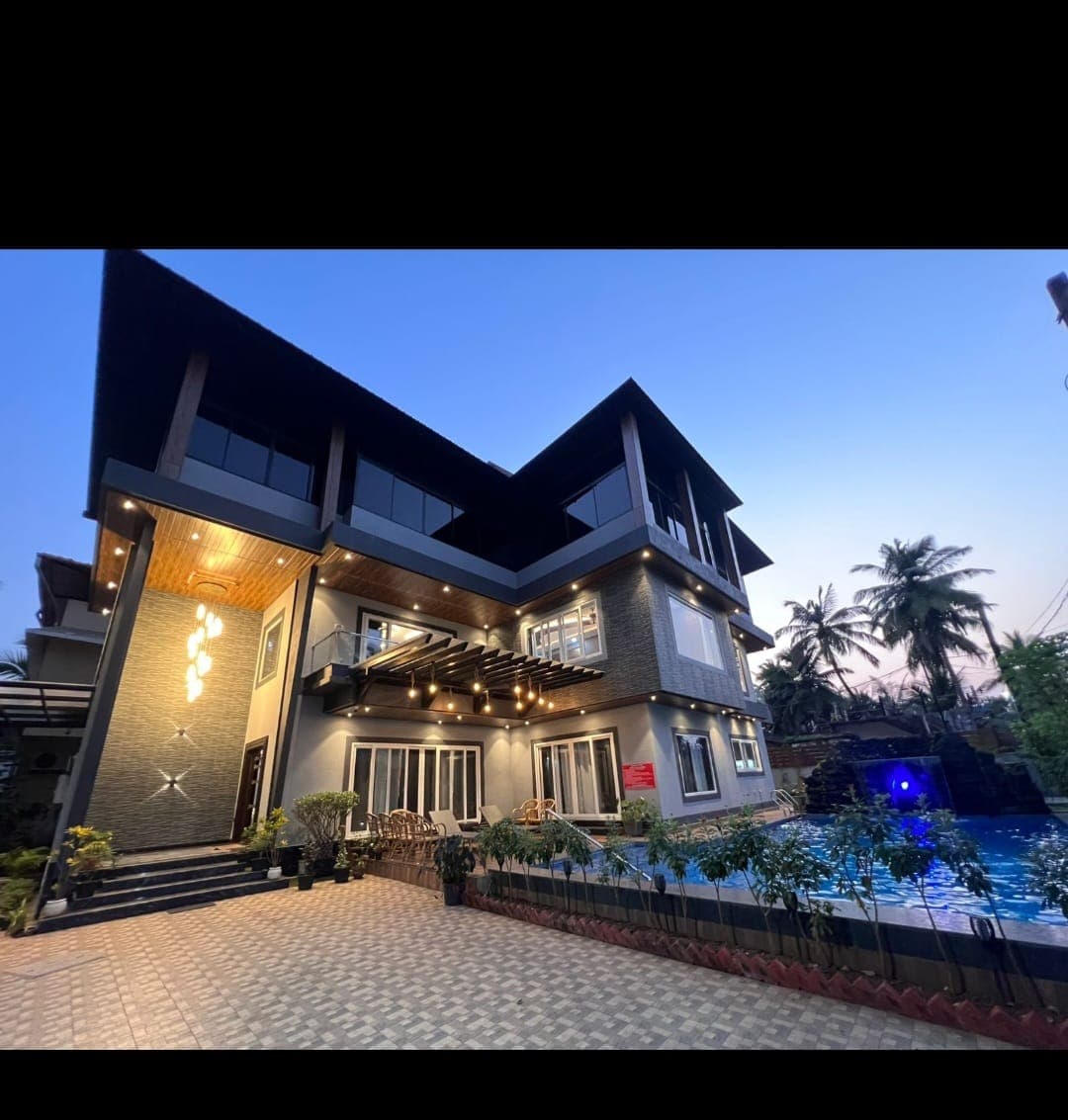
Cliffshade Beach Resort
North Goa, Calangute
₹2,900/night | ₹5,800/night (Nov–Jan ★)
 Villa
VillaCasa Luma Villa
North Goa, Candolim
₹22,000/night | ₹45,000/night (Nov–Jan ★)
 Villa
VillaSunset Cove Cottages
South Goa, Palolem
₹1,800/night | ₹3,600/night (Nov–Jan ★)
 Resort
Casa Fontana Resort
South Goa, Colva
₹6,200/night | ₹12,400/night (Nov–Jan ★)
Related Guides
Related Articles
 Travel Tips
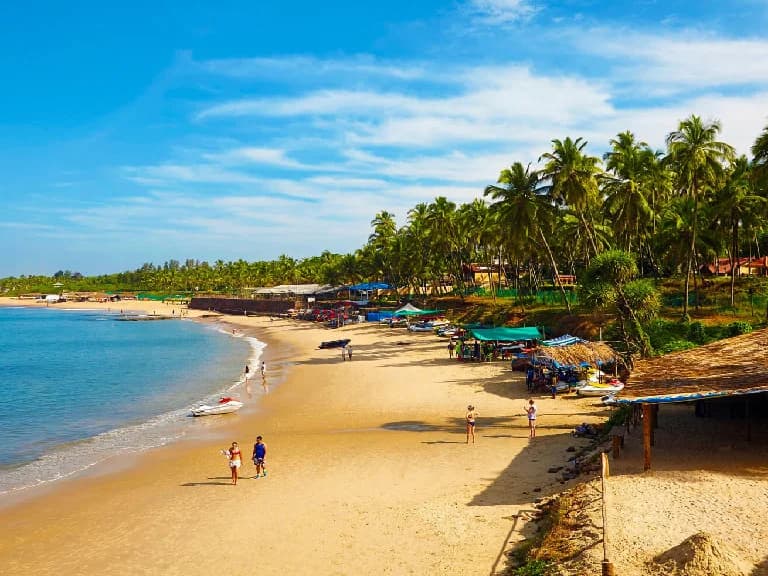
Calangute vs Candolim vs Baga: Which North Goa Area Fits You?
These three beaches sit almost back-to-back but suit different trips — a direct comparison to help you pick a base among North Goa's busiest, best-connected stretch.
 Travel Tips
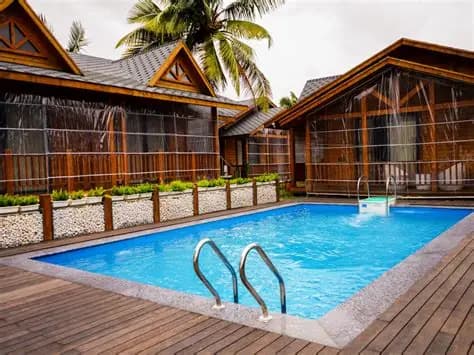
Workation in Goa: Best Stays for Remote Work
A workation in Goa can genuinely work if you pick a quiet stay and treat the work part seriously — here's what actually matters beyond a nice view.
Ready to Book Your Goa Escape?
Tell us your dates and we'll find the perfect villa, resort or cottage for you — usually within the hour.