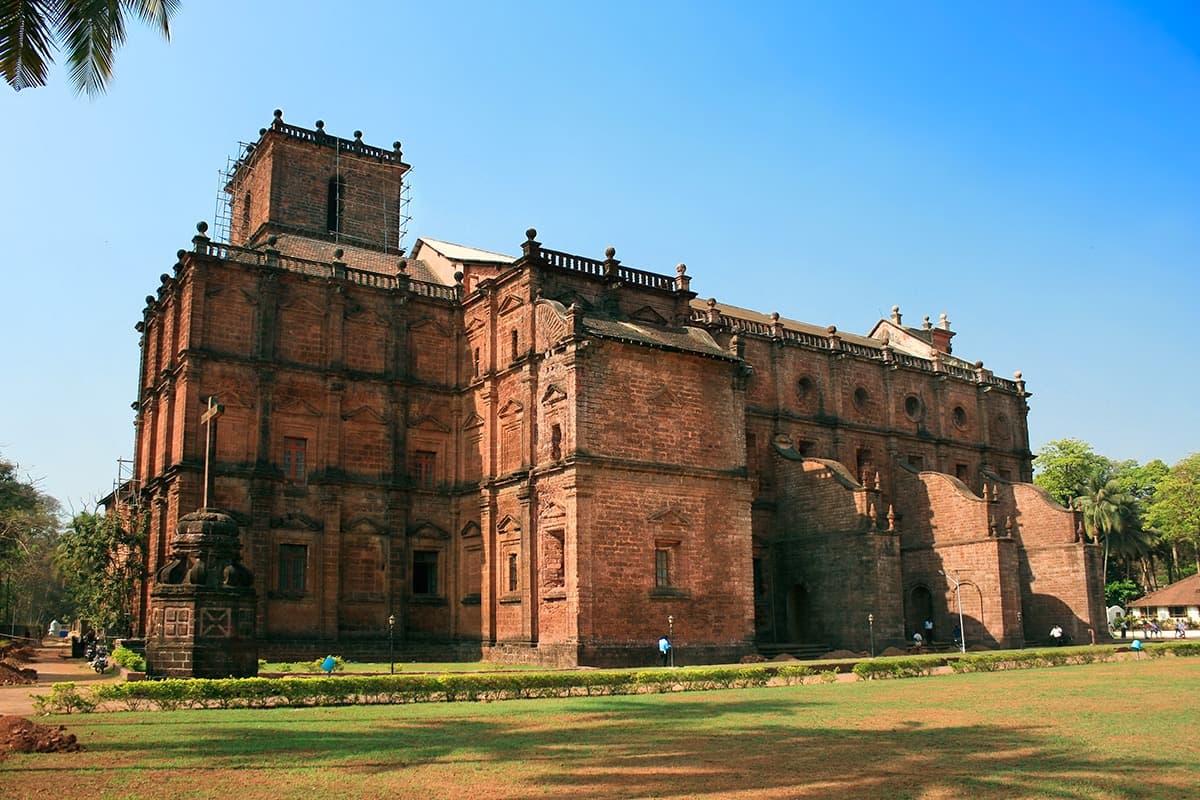
Portuguese Heritage Architecture in Goa: A Visual Guide
Laterite walls, azulejo tiles and wooden balcões — the architectural details that mark four centuries of Portuguese rule, and where to actually see them.
About the author
Rajesh Garela
8+ years curating verified stays across Goa
Quick Summary
- Laterite stone, often painted in bold ochre, red or blue, is the defining building material
- Azulejo tiles — blue-and-white painted ceramic — decorate churches, house numbers and street signs
- Wooden balcões (covered porches) were the traditional gathering spot for a Goan household
- Old Goa's churches and Panjim's Fontainhas quarter are the two strongest places to see this in person
Laterite Stone and Bold Colour
Laterite, a reddish, iron-rich stone quarried locally, is the base material behind most of Goa's older buildings, and it's traditionally painted in strong ochre, red, blue or yellow — a distinctly Goan choice rather than the whitewashed look common elsewhere in colonial architecture. The colour wasn't just decorative; different shades were historically associated with different social standings.
Azulejo Tiles
These blue-and-white painted ceramic tiles, a Portuguese import, show up on church facades, house number plaques and street signage across older parts of Goa. Look for them specifically in Panjim's Fontainhas quarter, where entire house fronts are still decorated this way.
The Balcão
A covered, raised porch built into the front of traditional Goan houses, the balcão served as the household's social space — somewhere to greet neighbours, take evening air, and watch the street. It's one of the more distinctly Goan architectural features, a genuine local adaptation rather than a direct Portuguese import.
Where to See It in Person
Old Goa's UNESCO-listed churches, including the Basilica of Bom Jesus and Sé Cathedral, are the grandest examples, worth a half-day visit if you're staying anywhere in North Goa. Panjim's Fontainhas quarter gives a closer look at everyday heritage architecture — house facades, balcões and azulejo tiles all in walking distance of each other, alongside cafés that suit a slow wander.
Frequently Asked Questions
Are Old Goa's churches worth visiting if I'm based in North Goa?
Yes — it's roughly a 45-60 minute drive from the Calangute-Candolim-Baga belt, and a solid half-day trip given the scale and history of the Basilica of Bom Jesus and Sé Cathedral.
What is Fontainhas known for specifically?
It's Panjim's old Latin Quarter — a compact neighbourhood of colourful, tiled colonial houses, still lived in rather than turned into a museum piece, with a good concentration of cafés and small galleries.
Can I stay somewhere with this architectural style?
A small number of heritage-style properties combine this architecture with modern comfort — our heritage villas guide covers what's currently available and where.
Stays Featured in This Guide
 Resort
Sylvan Manor Heritage Retreat
South Goa, Issorcim
₹6,500/night | ₹13,000/night (Nov–Jan ★)
 Resort
Casa Fontana Resort
South Goa, Colva
₹6,200/night | ₹12,400/night (Nov–Jan ★)
Related Guides
Related Articles
 Beach Guides
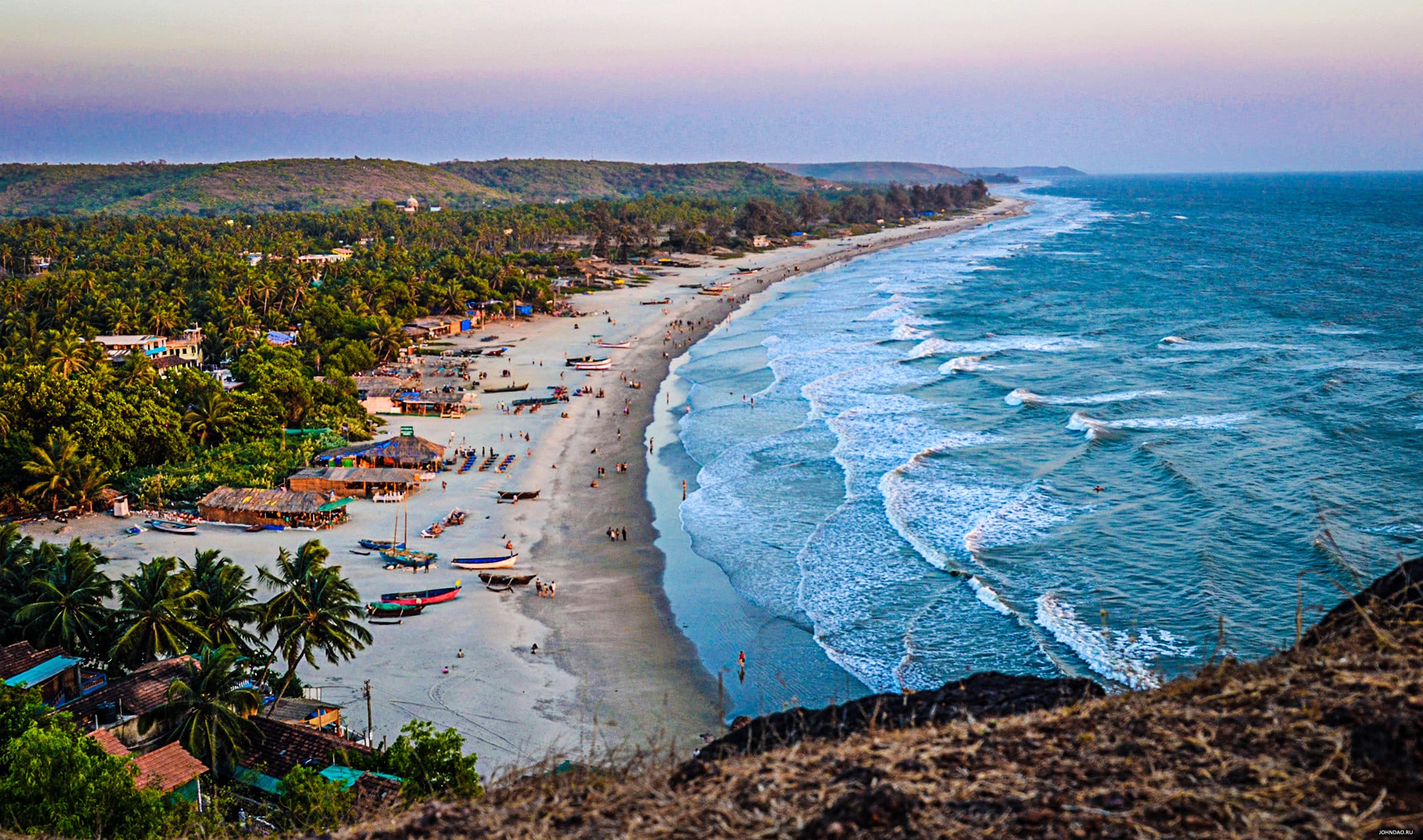
Arambol Beach Guide: Goa's Slower, Bohemian North
Arambol sits at the far edge of Goa's beach belt and has kept a slower, more independent character — a cliff-path lake, an evening drum circle, and a genuinely different pace than the beaches closer to the airport.
 Beach Guides
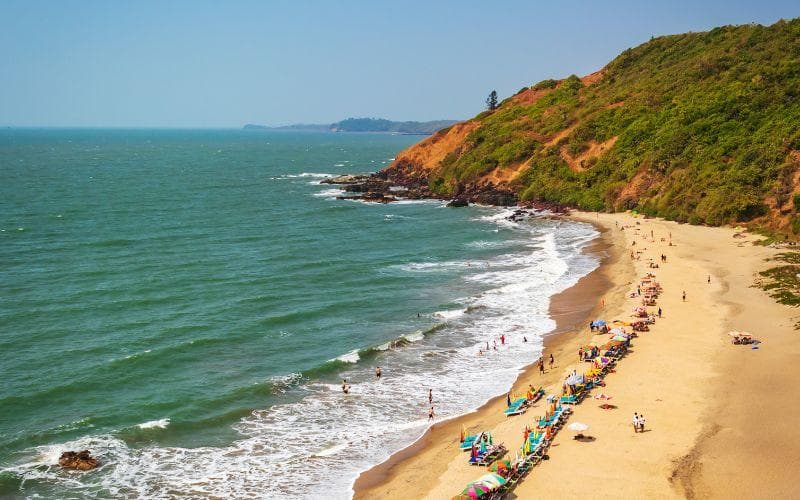
Vagator Beach Guide: Cliffs, Chapora Fort & Where to Stay
Vagator trades flat sand for red laterite cliffs, a working sunset ritual at Chapora Fort, and a small, boutique-leaning stay scene next door to Anjuna.
Ready to Book Your Goa Escape?
Tell us your dates and we'll find the perfect villa, resort or cottage for you — usually within the hour.